Antarctopelta is the #15 seed in the Thyreophorans division of the Dinosaur Tournament.
Antarctopelta is one of the most unique and fascinating armored dinosaurs ever discovered—not just because of how it looked, but because of where it lived. As its name suggests, Antarctopelta was found in Antarctica, making it one of the first dinosaurs ever discovered on the frozen continent. With a body covered in bony armor and a low-slung, plant-eating build, Antarctopelta was a resilient survivor in one of the southernmost regions of the ancient world.
When and Where It Lived
Antarctopelta lived during the Late Cretaceous period, approximately 76 to 74 million years ago. Its fossils were discovered on James Ross Island, off the northeastern tip of the Antarctic Peninsula. During the Cretaceous, Antarctica was not the icy landscape we know today. It was located closer to its current position but had a much milder climate, with forests, rivers, and seasonal changes that made it habitable for dinosaurs.
Although it still would have experienced periods of darkness during the polar winter, the environment supported a range of plant life and offered enough food to sustain herbivorous dinosaurs like Antarctopelta. This discovery helped confirm that dinosaurs once roamed all seven continents—including Antarctica.
Size and Physical Characteristics
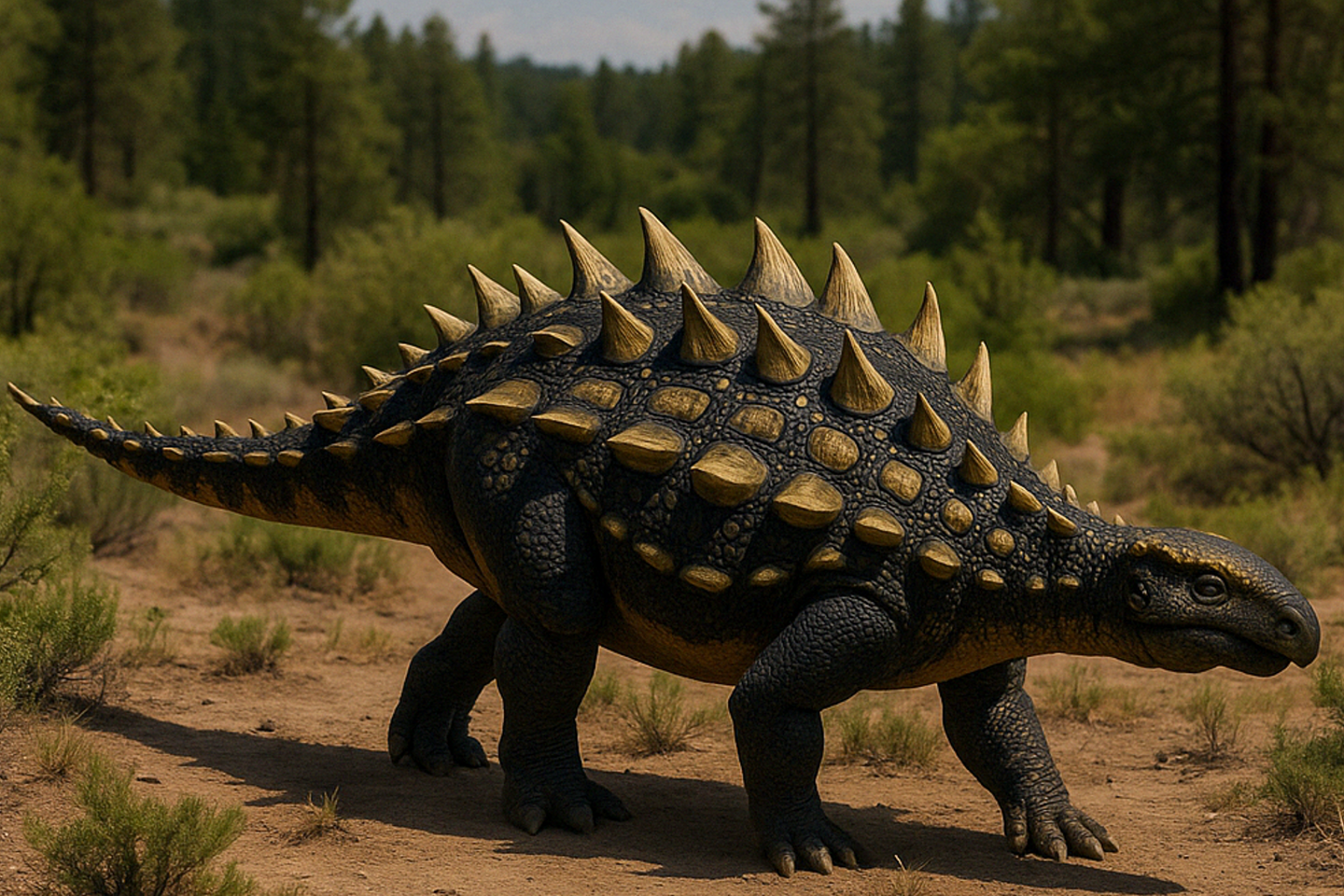
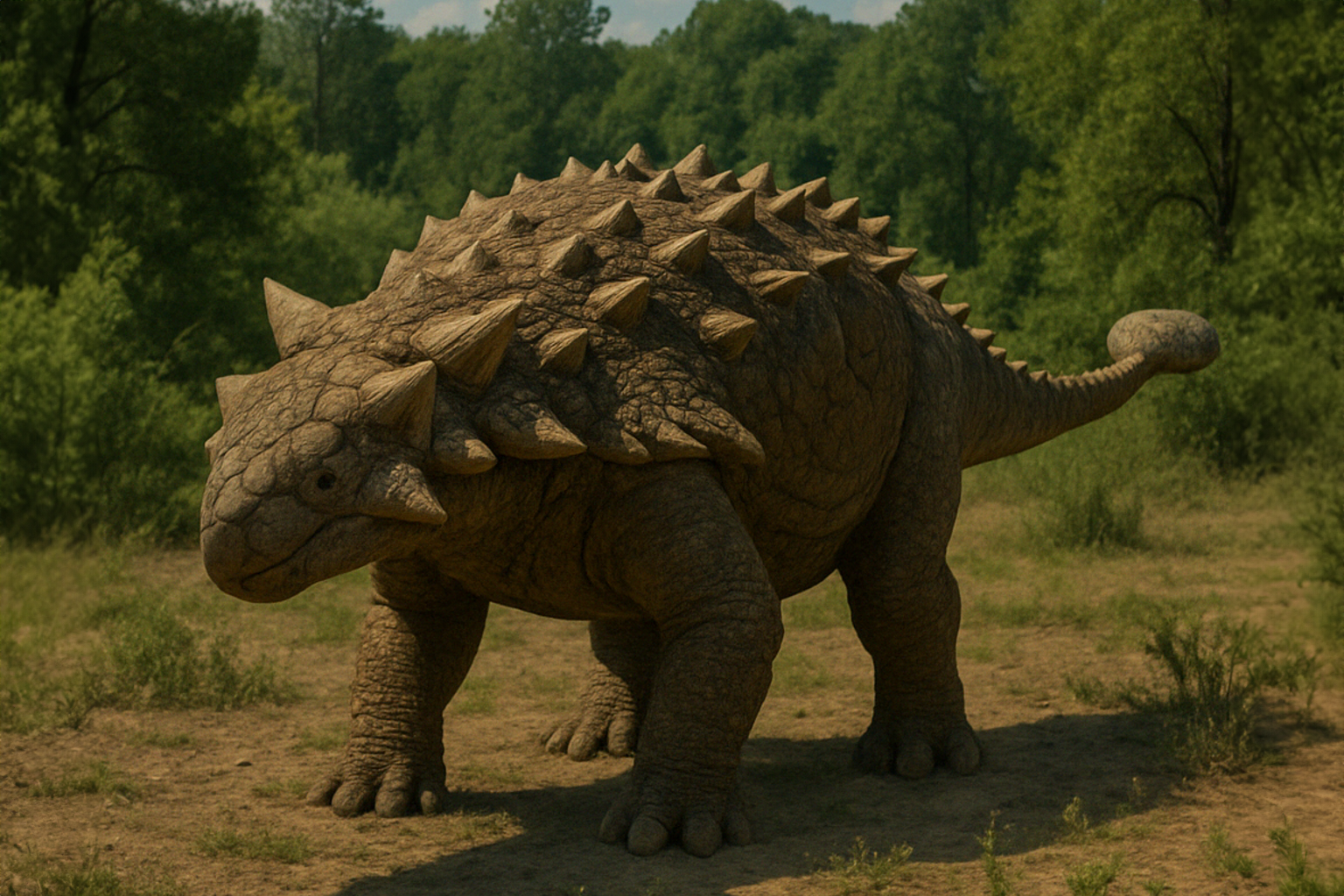
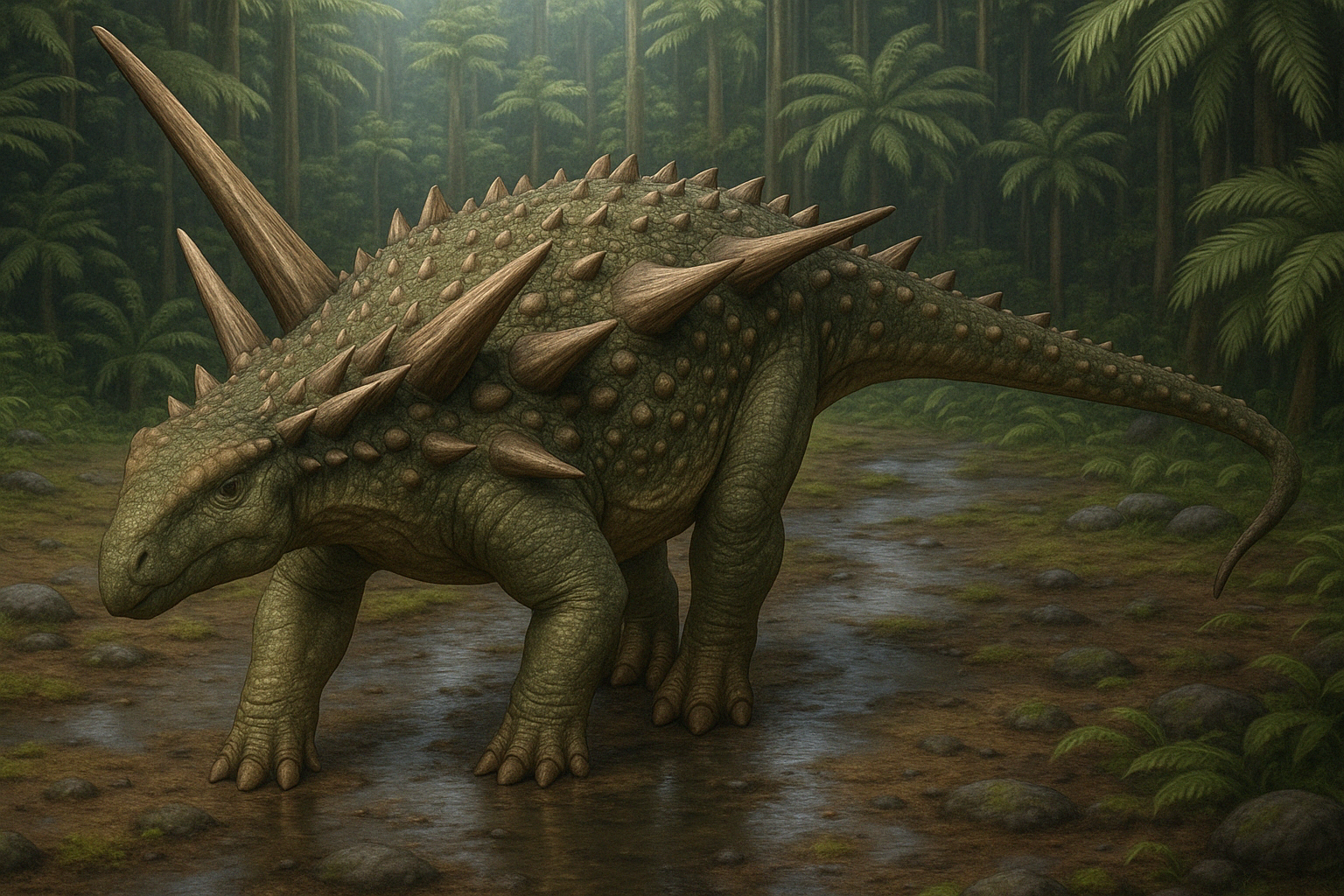
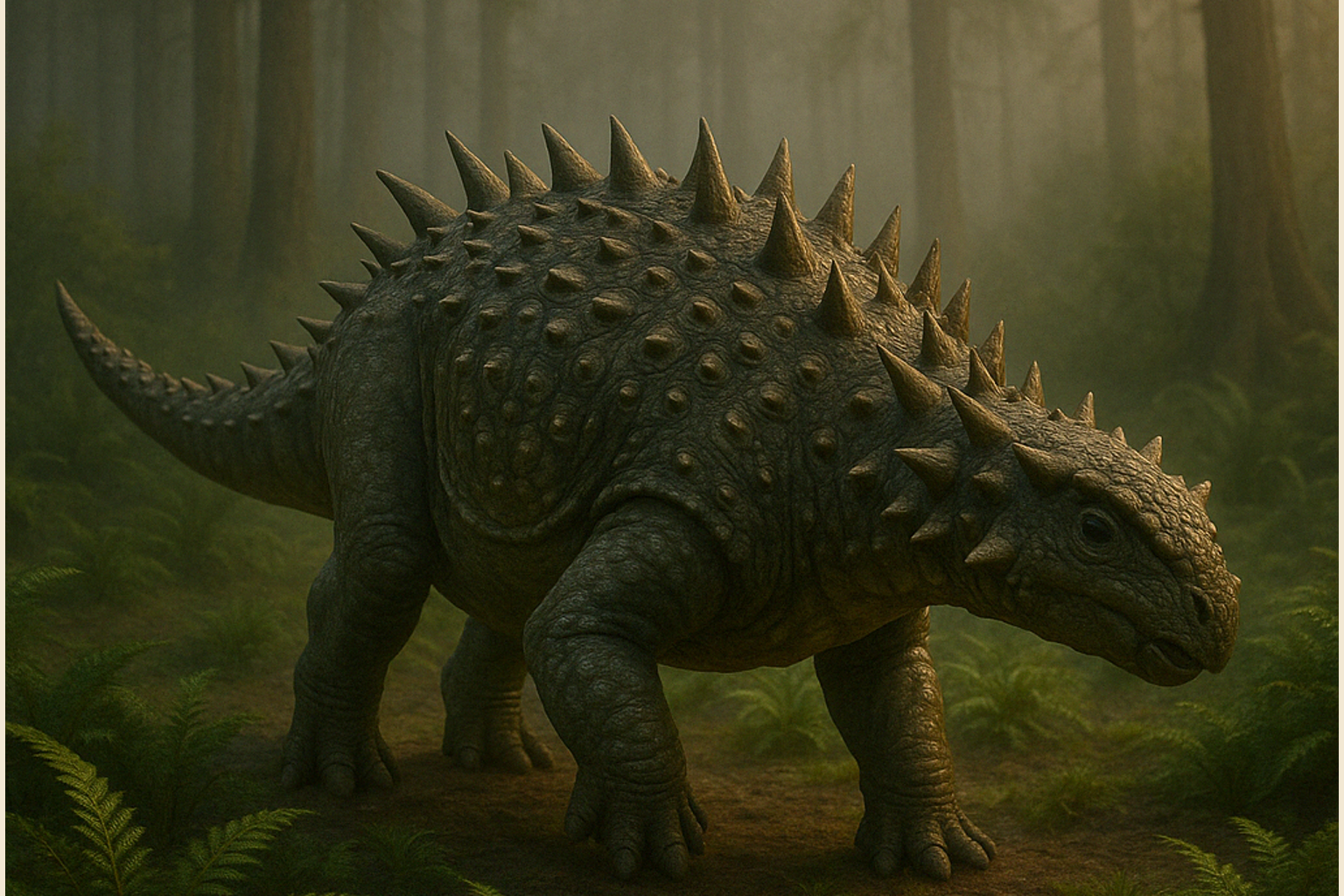
Antarctopelta was a medium-sized ankylosaur. It is estimated to have grown to about 13 to 20 feet (4 to 6 meters) in length and weighed around 1 to 2 tons. Like other members of its group, it had a broad, low body, walked on all fours, and was heavily protected by armor.
Its body was covered in osteoderms—bony plates embedded in the skin that formed a protective shield. These armor plates came in different shapes and sizes and were arranged across its back, sides, and possibly its tail. Some of the osteoderms were flat and plate-like, while others had a more conical or spike-like shape.
The tail of Antarctopelta was particularly interesting. While it didn’t have a club like some other ankylosaurs, evidence suggests it had bony projections and possibly a stiffened tail structure, which may have helped it defend itself against predators.
Diet and Feeding Behavior
Antarctopelta was an herbivore, feeding on the plant life available in its polar habitat. With its low head and beak-like mouth, it likely grazed on ferns, horsetails, cycads, and early flowering plants that grew close to the ground.
Its teeth were small and leaf-shaped, designed for slicing vegetation rather than grinding. Like other ankylosaurs, it probably had a large digestive system for processing fibrous plant material through fermentation. This slow but efficient digestive process allowed it to extract nutrients from tough plants that other animals might have avoided.
Discovery and Fossil Record
Antarctopelta was discovered in 1986 by Argentine paleontologists Eduardo Olivero and Roberto Scasso during an expedition to James Ross Island. The fossils were embedded in marine sediments, suggesting that the carcass may have been washed out to sea after death. However, it wasn’t until 2006 that the dinosaur was formally described and named Antarctopelta oliveroi—the genus name means “Antarctic shield,” and the species name honors Eduardo Olivero.
The original fossil material included parts of the skull, vertebrae, limb bones, and various types of armor. While the skeleton was not complete, it was well-preserved enough to provide a good picture of what Antarctopelta looked like and how it lived.
Because it was the first named dinosaur from Antarctica, Antarctopelta generated a great deal of interest and has become a symbol of Antarctic paleontology.
Scientific Importance
Antarctopelta is important for several reasons. First, it proved that armored dinosaurs lived in polar regions, expanding our understanding of dinosaur distribution. It also showed that ankylosaurs were more widespread than previously believed and capable of living in seasonal, possibly harsh environments.
Second, the structure of its armor and tail suggests it may represent a transitional form within the ankylosaur family tree—sharing features with both nodosaurids and ankylosaurids. This makes it a valuable species for studying the evolutionary relationships within the group.
Finally, it highlights the importance of polar fossil sites in filling in gaps in the global picture of dinosaur diversity.
Antarctopelta in Popular Culture
While not a household name, Antarctopelta has appeared in documentaries, museum exhibits, and dinosaur-themed books, especially those that focus on unusual or extreme environments. Its connection to Antarctica makes it a favorite in stories about dinosaur survival and adaptation.
As interest in polar paleontology continues to grow, Antarctopelta is likely to remain a key figure in discussions about life at the ends of the Earth.
Final Thoughts
Antarctopelta may not have been the biggest or most heavily armed dinosaur, but its discovery opened a new frontier in dinosaur science. With its bony armor, plant-based diet, and polar lifestyle, it proved that even the coldest corners of the ancient world had room for dinosaurs. As one of the first fossil finds from Antarctica, Antarctopelta continues to inspire curiosity and exploration in the world of prehistoric life.