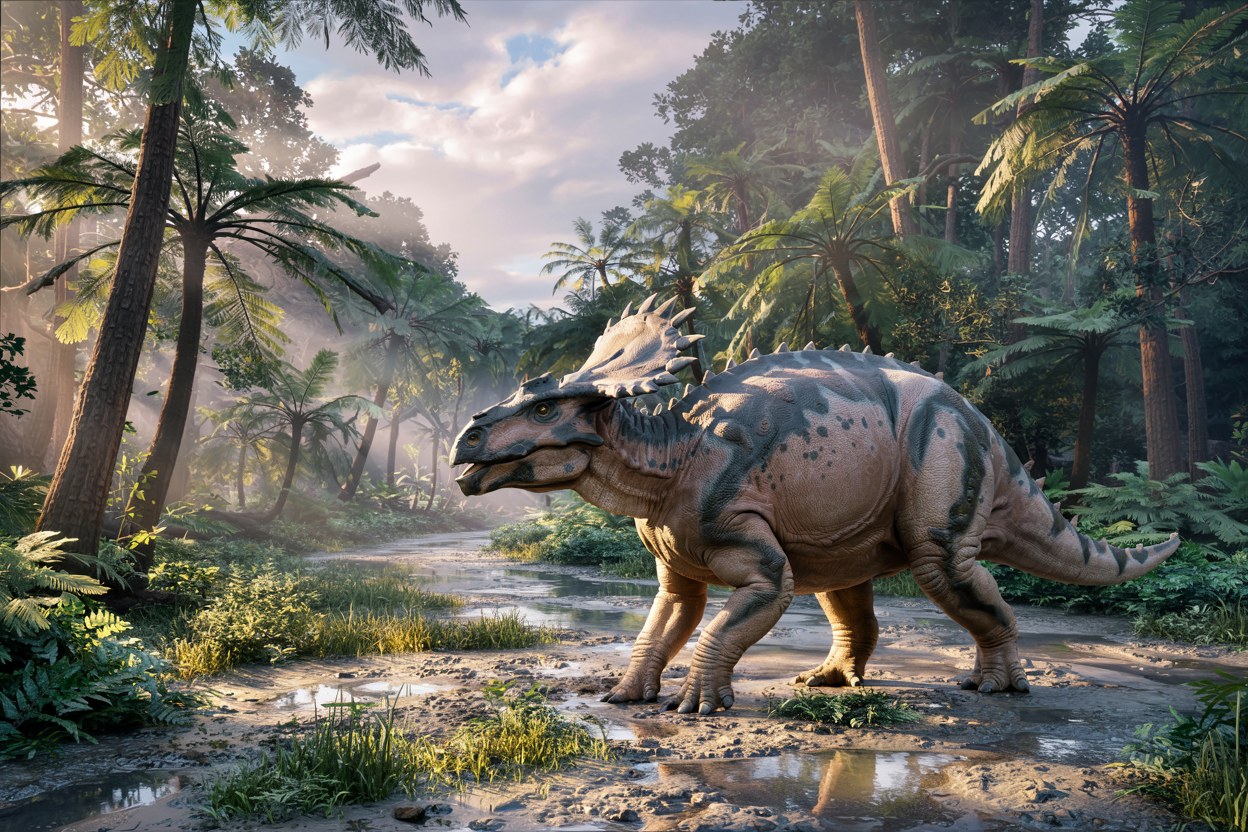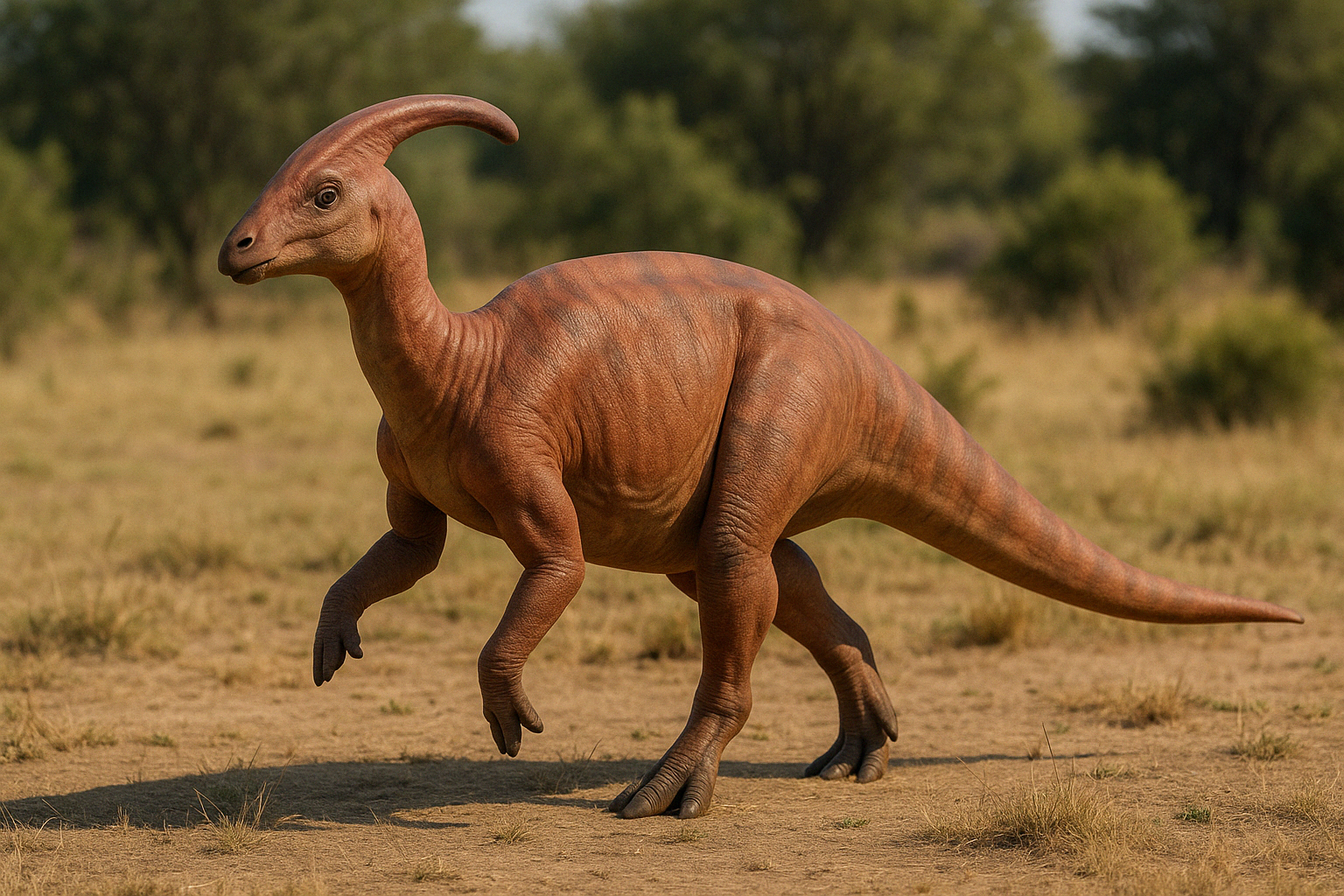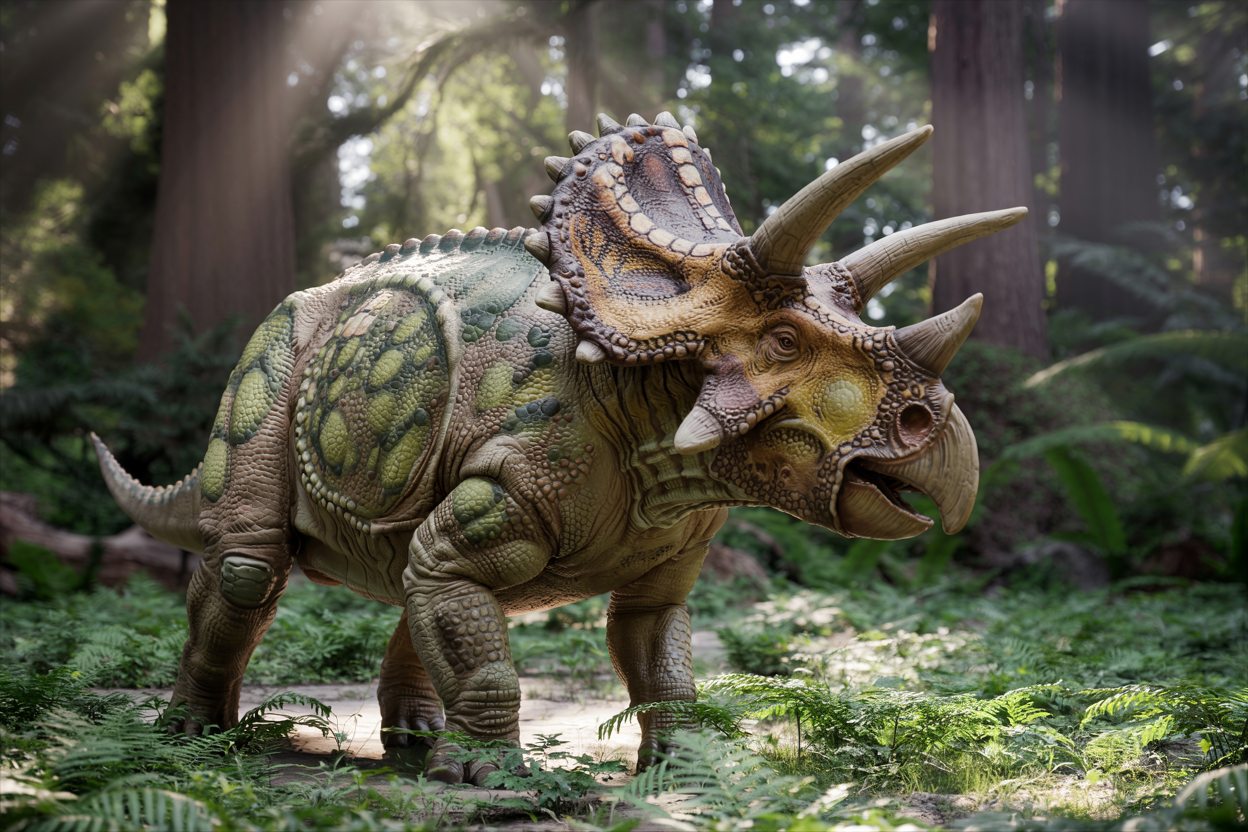
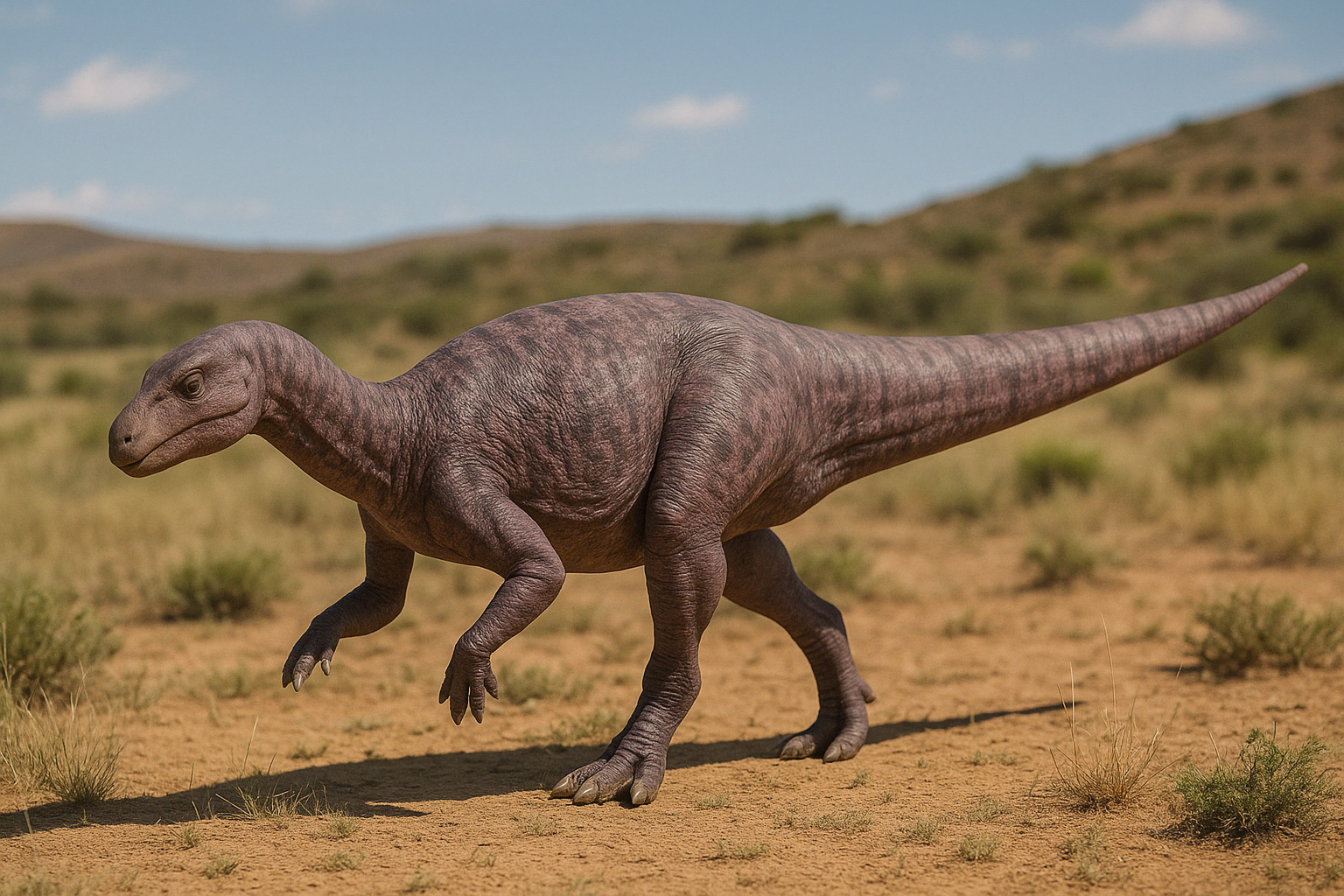
Camptosaurus is the #16 seed in the Cerapods division of the Dinosaur Tournament.
Camptosaurus was a medium-sized herbivorous dinosaur that roamed North America during the Late Jurassic period. Its name means “bent lizard,” referring to its flexible limbs, and it represents a key transitional dinosaur in the evolution of more advanced ornithopods like the later duck-billed hadrosaurs. While not as flashy as some of its Jurassic neighbors, Camptosaurus was an important and adaptable member of its ancient ecosystem.
When and Where It Lived
Camptosaurus lived approximately 156 to 145 million years ago during the Late Jurassic period. Its fossils have been discovered primarily in the Morrison Formation, which spans several western U.S. states including Wyoming, Utah, and Colorado. This rock formation is famous for its rich array of Jurassic dinosaur fossils, including Allosaurus, Stegosaurus, Diplodocus, and Brachiosaurus.
The environment Camptosaurus inhabited was semi-arid, with distinct wet and dry seasons. It included river valleys, floodplains, and forests, creating a diverse and dynamic habitat teeming with plant life and a variety of other dinosaur species.
Size and Physical Characteristics
Camptosaurus was a moderately sized dinosaur. It reached about 20 feet (6 meters) in length and weighed an estimated 1,000 to 2,000 pounds (450 to 900 kilograms). Its build was relatively lightweight compared to the massive sauropods of the time, but it was still a sturdy animal.
Camptosaurus had long hind limbs and shorter front limbs, giving it the ability to walk on both two and four legs. It likely moved on all fours when grazing but could rear up on its hind legs for speed or to reach higher vegetation. Its tail was long and stiff, helping with balance, especially when running.
Its head was relatively small with a beak-like mouth at the front for cropping vegetation. Behind the beak were rows of cheek teeth adapted for grinding plant material. Its jaws and teeth suggest it was well-equipped to process a wide variety of vegetation, from soft leaves to tougher stems.
Diet and Feeding Behavior
Camptosaurus was a herbivore, feeding on the abundant plant life of the Jurassic landscape. Its combination of a strong beak and grinding teeth made it effective at chewing vegetation—a trait that became more advanced in its ornithopod descendants.
It likely browsed close to the ground or mid-level plants and may have used its flexible limbs to reach vegetation in various positions. Its ability to switch between bipedal and quadrupedal locomotion gave it versatility when foraging.
Camptosaurus’s advanced chewing mechanism, including a kinetic skull that allowed for complex jaw motion, marks an evolutionary step toward the even more specialized feeding adaptations seen in later hadrosaurs.
Discovery and Fossil Record
Camptosaurus was first described in 1879 by famed paleontologist Othniel Charles Marsh. Its fossils were among the many discovered during the “Bone Wars”—a period of intense fossil-hunting competition in the late 19th century between Marsh and his rival Edward Drinker Cope.
Numerous skeletons, including juveniles and adults, have since been found in the Morrison Formation, making Camptosaurus one of the better-known Jurassic ornithopods. Some early specimens were originally misidentified or reclassified over time, but modern analysis has clarified many of these early mistakes.
A partial skeleton of Camptosaurus was even one of the first mounted dinosaur displays at the Smithsonian Institution, helping introduce the public to dinosaurs in the early 1900s.
Scientific Importance
Camptosaurus holds a critical spot in the evolutionary tree of ornithopod dinosaurs. It serves as a transitional form between more primitive bipedal herbivores and the highly specialized hadrosaurs—or “duck-billed” dinosaurs—that would become dominant in the Cretaceous.
Its anatomy provides insight into how dinosaurs evolved more efficient chewing systems and greater flexibility in locomotion. Camptosaurus’s combination of traits—strong hind limbs, flexible forelimbs, and advanced teeth—demonstrates how evolutionary pressures shaped plant-eating dinosaurs for survival in changing ecosystems.
In addition to helping define ornithopod evolution, the abundance and preservation of Camptosaurus fossils make it a useful reference point for studying dinosaur growth, posture, and biomechanics.
Camptosaurus in Popular Culture
Camptosaurus isn’t as famous as some of its Jurassic neighbors, but it has appeared in textbooks, documentaries, and museum exhibits over the years. Because of its relatively complete fossil record, it’s often included in displays about Jurassic ecosystems or the evolution of plant-eating dinosaurs.
Its name might not roll off the tongue like Stegosaurus or Allosaurus, but Camptosaurus has earned its place as a reliable and important member of the dinosaur world.
Final Thoughts
Camptosaurus may not have been the biggest or most spectacular dinosaur, but it played a vital role in the story of herbivorous dinosaur evolution. With its flexible limbs, efficient teeth, and adaptive feeding strategies, it helped pave the way for later ornithopods to thrive. As a key resident of the Morrison Formation, Camptosaurus stands as a reminder that even the “average” dinosaurs had an important part to play in prehistoric ecosystems.