Triceratops is the #1 seed in the Cerapods division of the Dinosaur Tournament.
Triceratops is one of the most recognizable and beloved dinosaurs of all time. With its massive head, three facial horns, and distinctive frill, Triceratops has captured the imagination of scientists and dinosaur fans alike for over a century. As one of the last non-avian dinosaurs to roam the Earth, it lived during a dynamic time filled with towering herbivores and powerful predators—including the fearsome Tyrannosaurus rex.
When and Where It Lived
Triceratops lived during the Late Cretaceous period, about 68 to 66 million years ago, just before the mass extinction that marked the end of the dinosaur era. Fossils have been found in western North America, particularly in the Hell Creek Formation of Montana, South Dakota, Wyoming, and other parts of the United States.
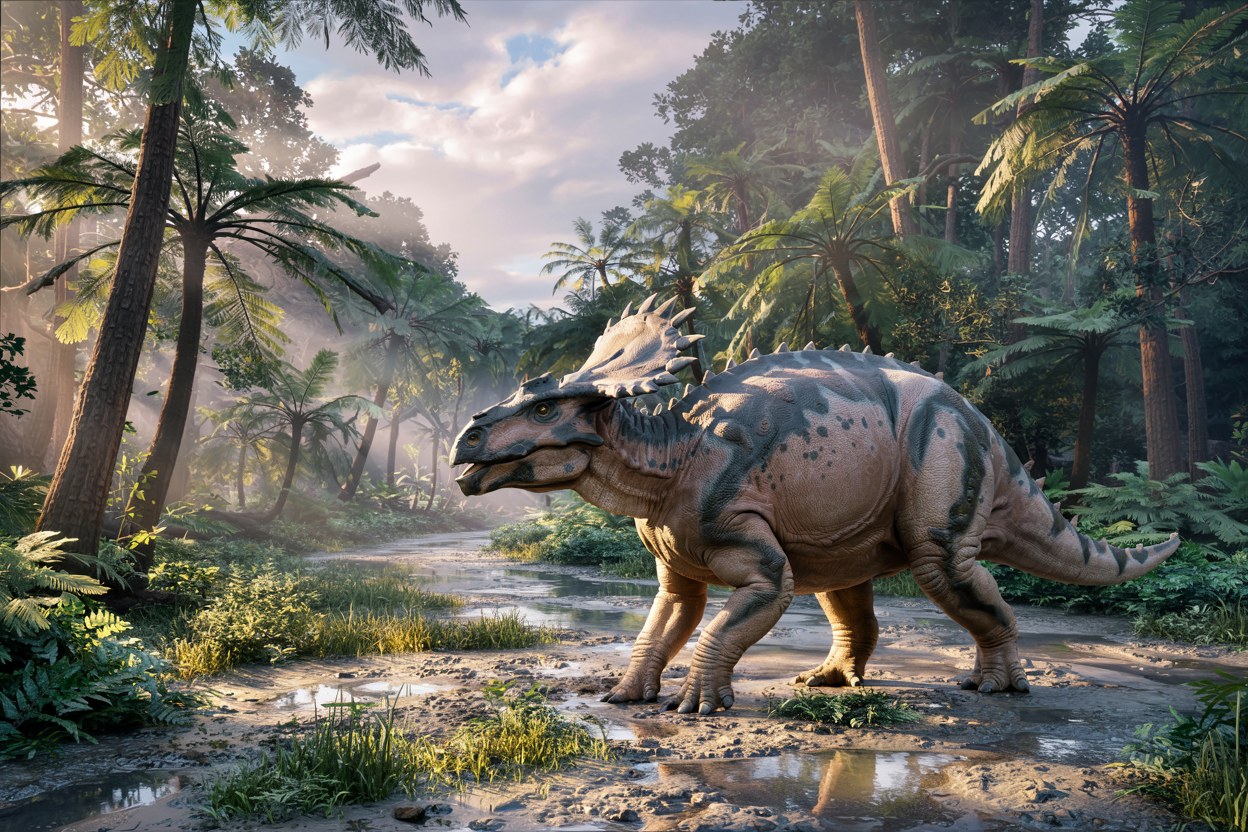
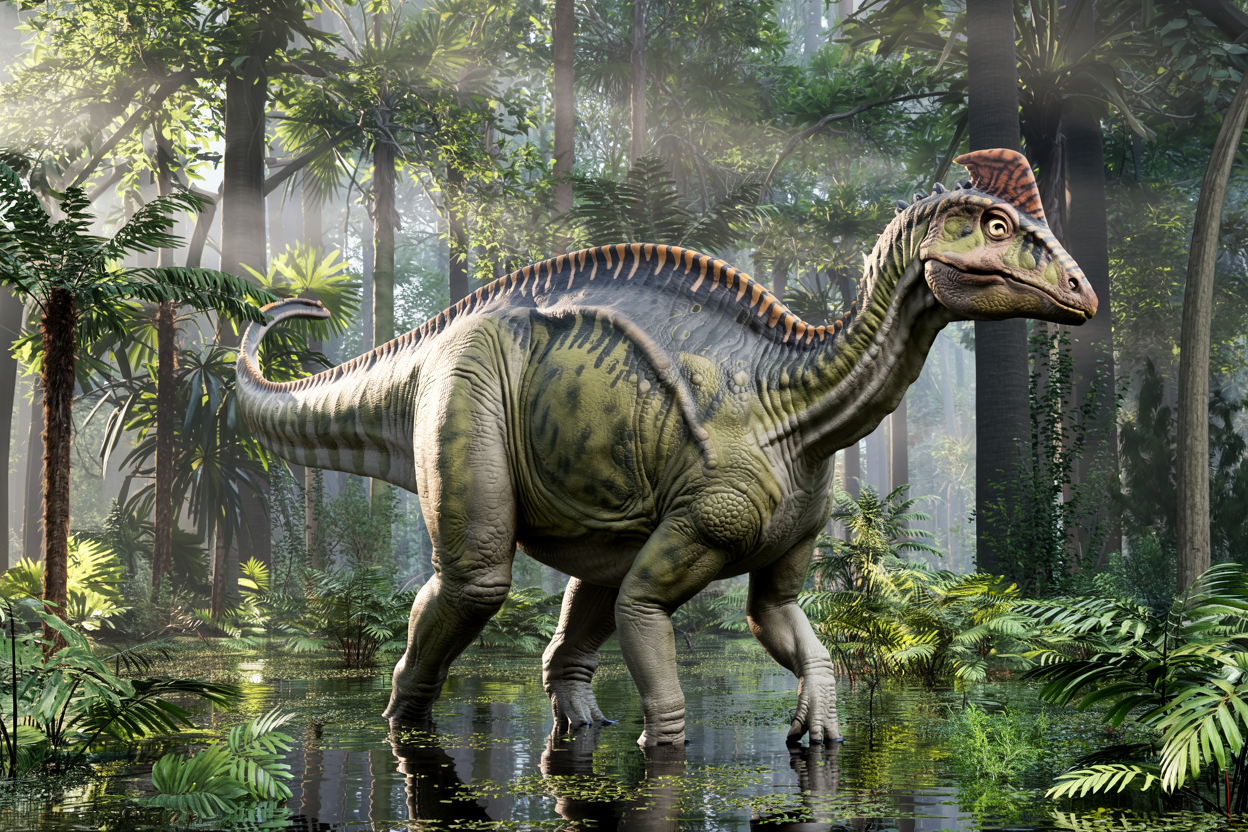
During the time of Triceratops, this region was a warm, subtropical landscape filled with rivers, floodplains, and dense vegetation. It was home to a wide range of dinosaurs, from duck-billed hadrosaurs to towering tyrannosaurs, and Triceratops was one of the dominant herbivores in the ecosystem.
Size and Physical Characteristics
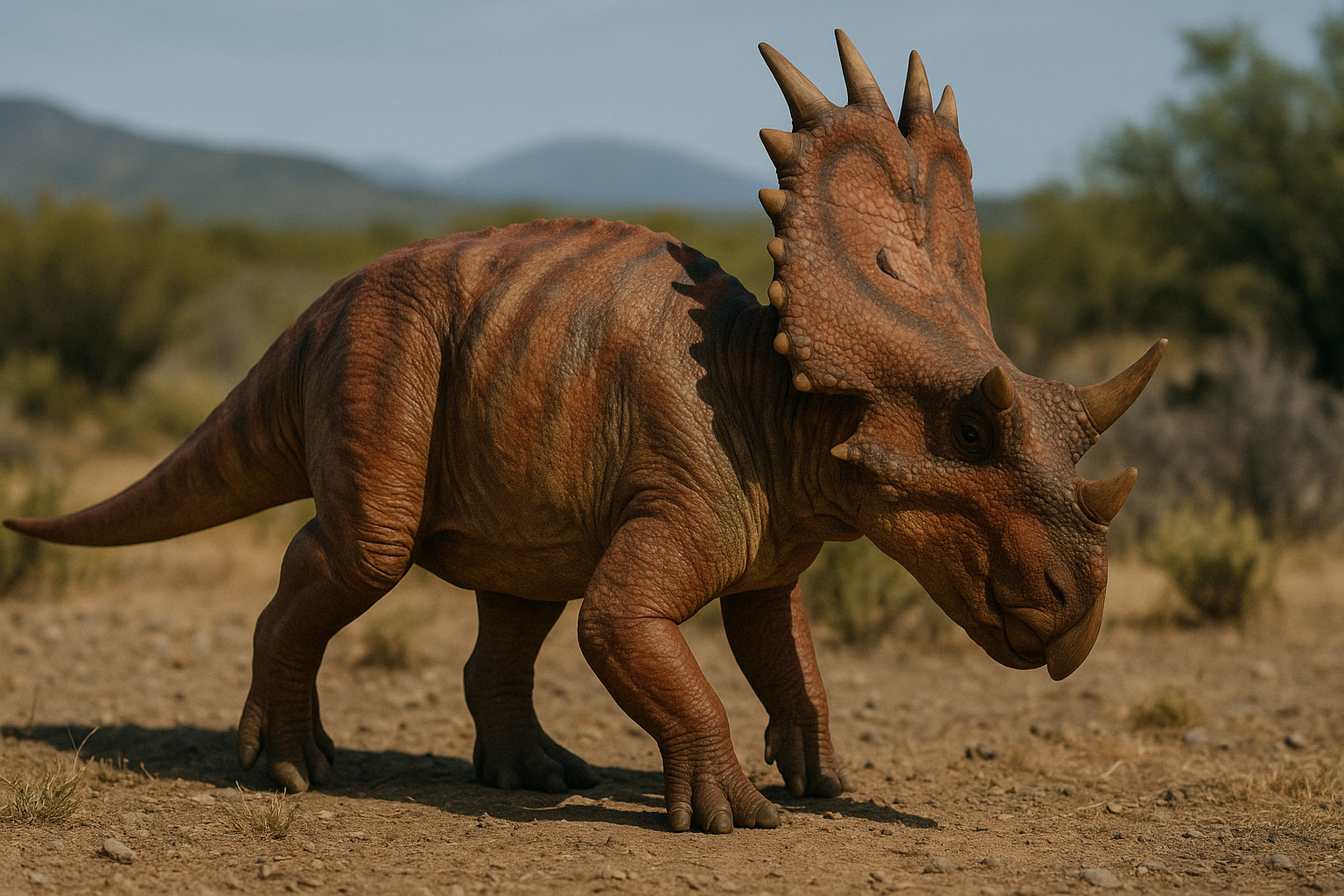
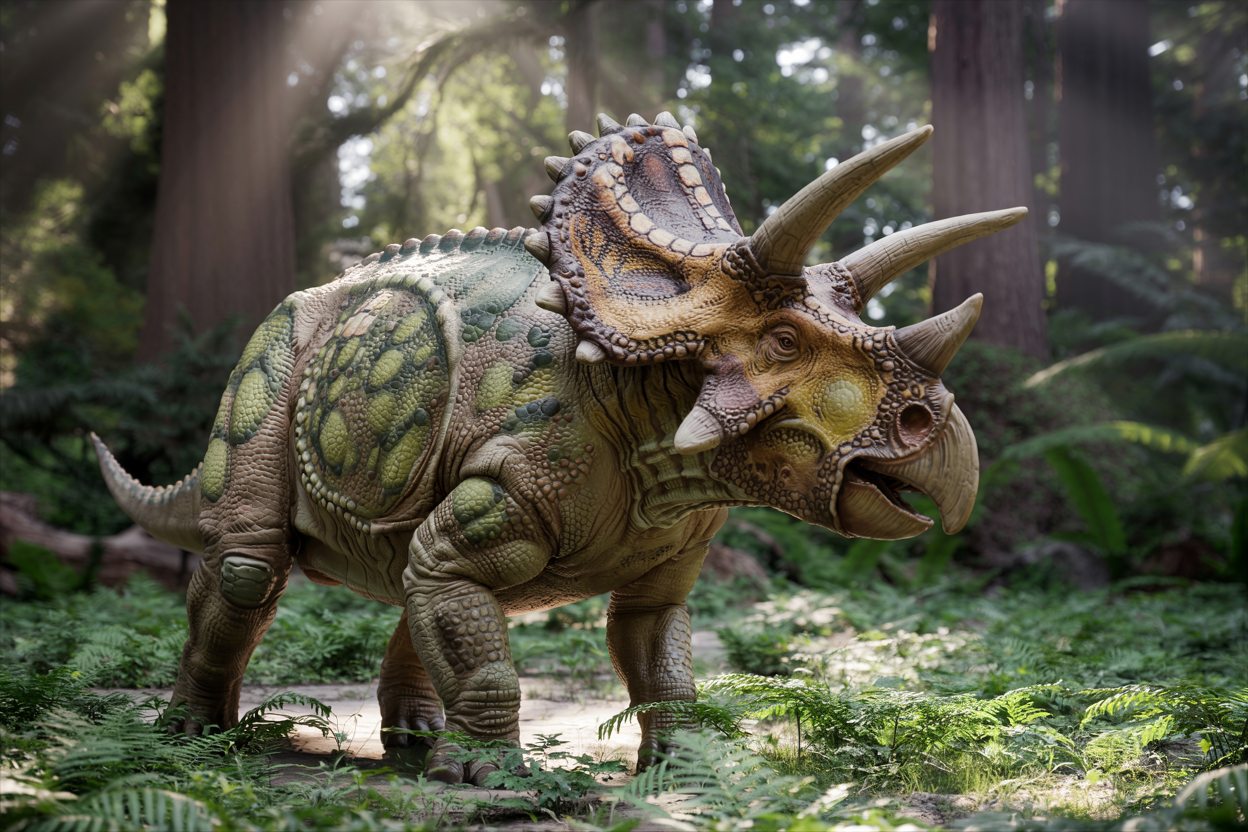
Triceratops was a large, four-legged dinosaur that could grow up to 30 feet (9 meters) in length and weigh between 6 and 12 tons. It had a massive, bony frill at the back of its skull and three facial horns—two long ones above the eyes and a shorter one on the nose. These horns and frill make Triceratops one of the most distinctive dinosaurs ever discovered.
Its head was enormous, one of the largest of any land animal, measuring over 8 feet (2.5 meters) long in some specimens. The beaked mouth was well-adapted for clipping vegetation, and it had rows of teeth arranged in “batteries” that could grind tough plant material.
Triceratops had a stocky, muscular body supported by four sturdy legs, with its front legs slightly shorter than the back legs. Its tail was relatively short, and its body was covered in thick skin, though direct evidence of its skin texture is limited.
Diet and Feeding Behavior
Triceratops was an herbivore, feeding primarily on low-growing plants such as ferns, cycads, and flowering plants. Its strong beak and shearing teeth allowed it to bite off and chew tough vegetation. Some researchers believe it could also reach higher plants by rearing up or pushing into shrubs and small trees.
Its chewing mechanism was complex and powerful. As teeth wore down, new ones from the dental battery would grow in to replace them, ensuring a constant surface for grinding. This adaptation helped Triceratops process large amounts of plant material efficiently.
Discovery and Fossil Record
Triceratops was first described in 1889 by the American paleontologist Othniel Charles Marsh. The initial specimen was a pair of horns attached to part of a skull, and it was originally mistaken for a type of bison. Later discoveries revealed it was a dinosaur, and the name Triceratops horridus—meaning “horrible three-horned face”—was given.
Since then, Triceratops fossils have been found in great numbers, including many partial skeletons and skulls. Some of the most complete skulls ever discovered belong to Triceratops, and the genus is well-represented in North American fossil collections.
Two main species are recognized: Triceratops horridus and Triceratops prorsus. Paleontologists continue to debate whether some fossils represent different species or different growth stages of the same species.
Scientific Importance
Triceratops is one of the most studied dinosaurs in the world. Its well-preserved fossils provide insight into dinosaur growth, behavior, and evolution. The structure of its skull and frill suggests that it may have been used for defense, species recognition, or display during mating rituals.
Triceratops also helps paleontologists understand life just before the end-Cretaceous extinction event. It was among the last non-avian dinosaurs to go extinct, and its fossils are often found just below the layer of rock that marks the asteroid impact that ended the Mesozoic Era.
Triceratops in Popular Culture
Triceratops is a true dinosaur celebrity. It has appeared in countless books, cartoons, documentaries, and films—including major roles in franchises like Jurassic Park. Its distinctive look makes it a favorite for children’s toys, museum exhibits, and educational materials around the world.
Often portrayed as a peaceful grazer, Triceratops is also known for its imagined battles with T. rex, a pairing that has become one of the most iconic matchups in prehistoric fiction.
Final Thoughts
Triceratops was more than just a three-horned face—it was a powerful, complex, and resilient dinosaur that thrived in a dynamic and competitive world. Its distinctive appearance, widespread fossil record, and scientific importance have made it one of the most beloved dinosaurs in history. Whether as a symbol of prehistoric strength or a centerpiece in paleontological research, Triceratops continues to inspire wonder millions of years after it last walked the Earth.