Daxiatitan is the #13 seed in the Sauropods division of the Dinosaur Tournament.
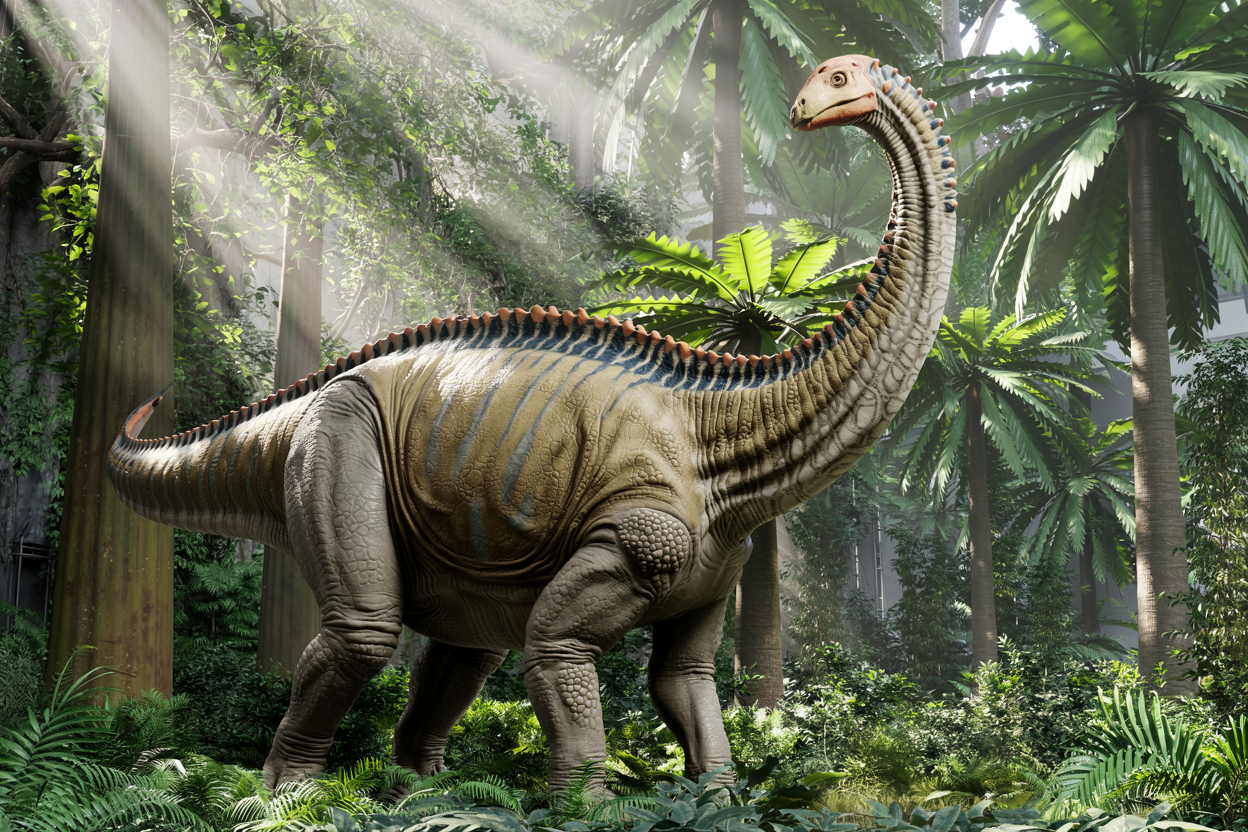
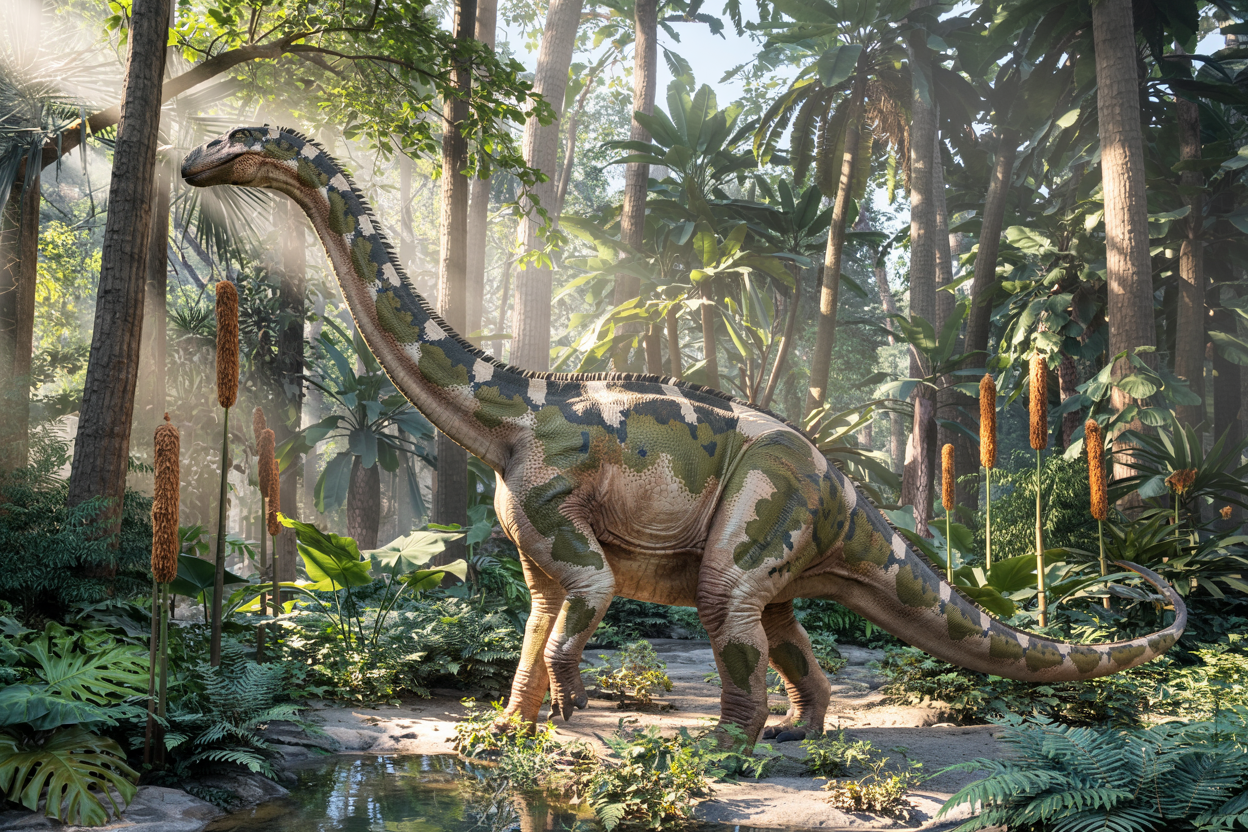
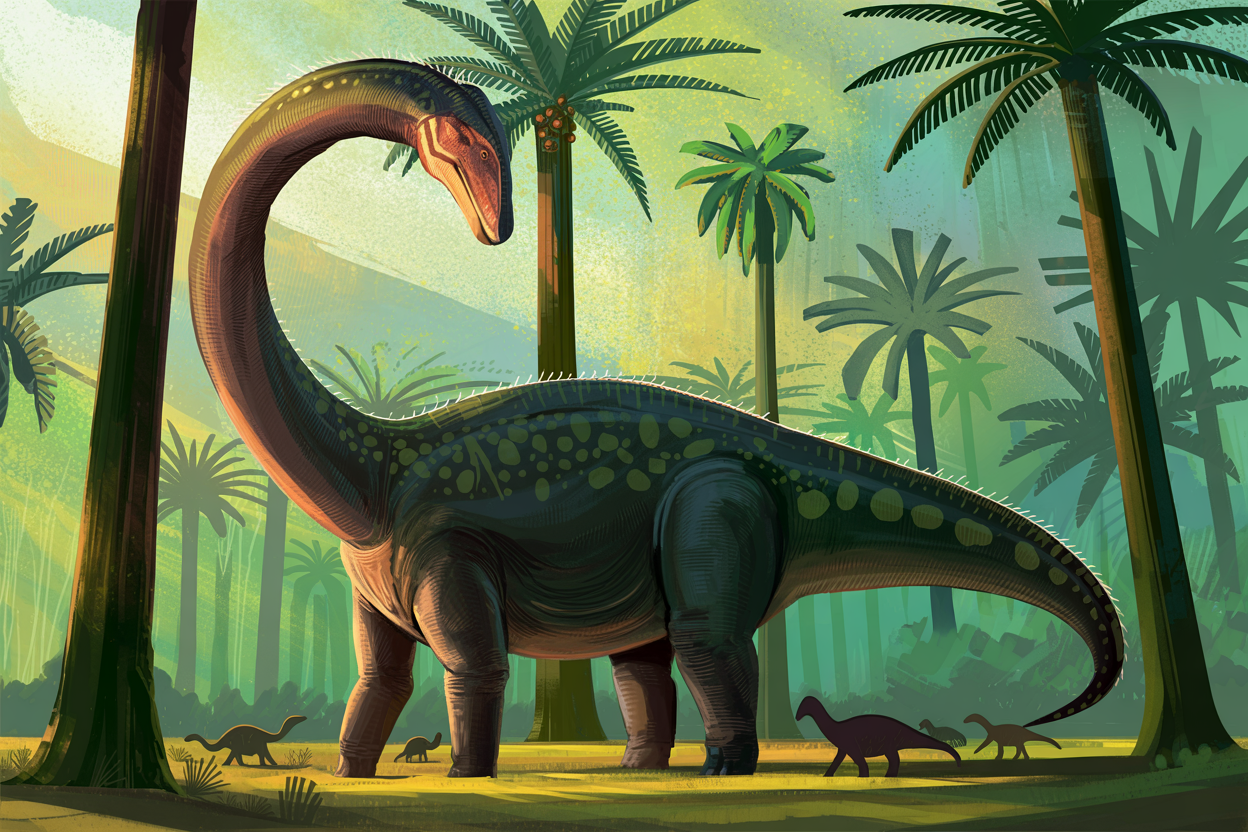
Daxiatitan was a massive sauropod dinosaur that lived during the Early Cretaceous period in what is now northwestern China. With its extremely long neck and towering size, Daxiatitan is considered one of the largest dinosaurs ever discovered in Asia. Like other members of the sauropod group, it was a slow-moving, plant-eating giant that dominated its environment. Although known from only partial remains, this colossal dinosaur continues to offer important insights into the evolution and diversity of sauropods in prehistoric China.
When and Where It Lived
Daxiatitan lived approximately 130 to 120 million years ago during the Early Cretaceous period. Its fossils were discovered in the Hekou Group, a rock formation located in Gansu Province, northwestern China. The name Daxiatitan binglingi refers to the Daxia River near the discovery site and to Bingling Temple, a local cultural landmark.
During the Early Cretaceous, the region that is now Gansu was part of a warm, lush environment filled with rivers, wetlands, and abundant plant life. This landscape supported a rich ecosystem, including other dinosaurs, early mammals, reptiles, and flying pterosaurs. Daxiatitan would have been one of the largest and most dominant herbivores in its habitat.
Size and Physical Characteristics
Daxiatitan was an enormous dinosaur. Based on the fossils that have been found—including vertebrae, parts of the pelvis, and limb bones—paleontologists estimate that it may have reached lengths of up to 100 feet (30 meters) or more. Its exact weight is difficult to determine, but estimates suggest it could have weighed between 40 and 60 tons.
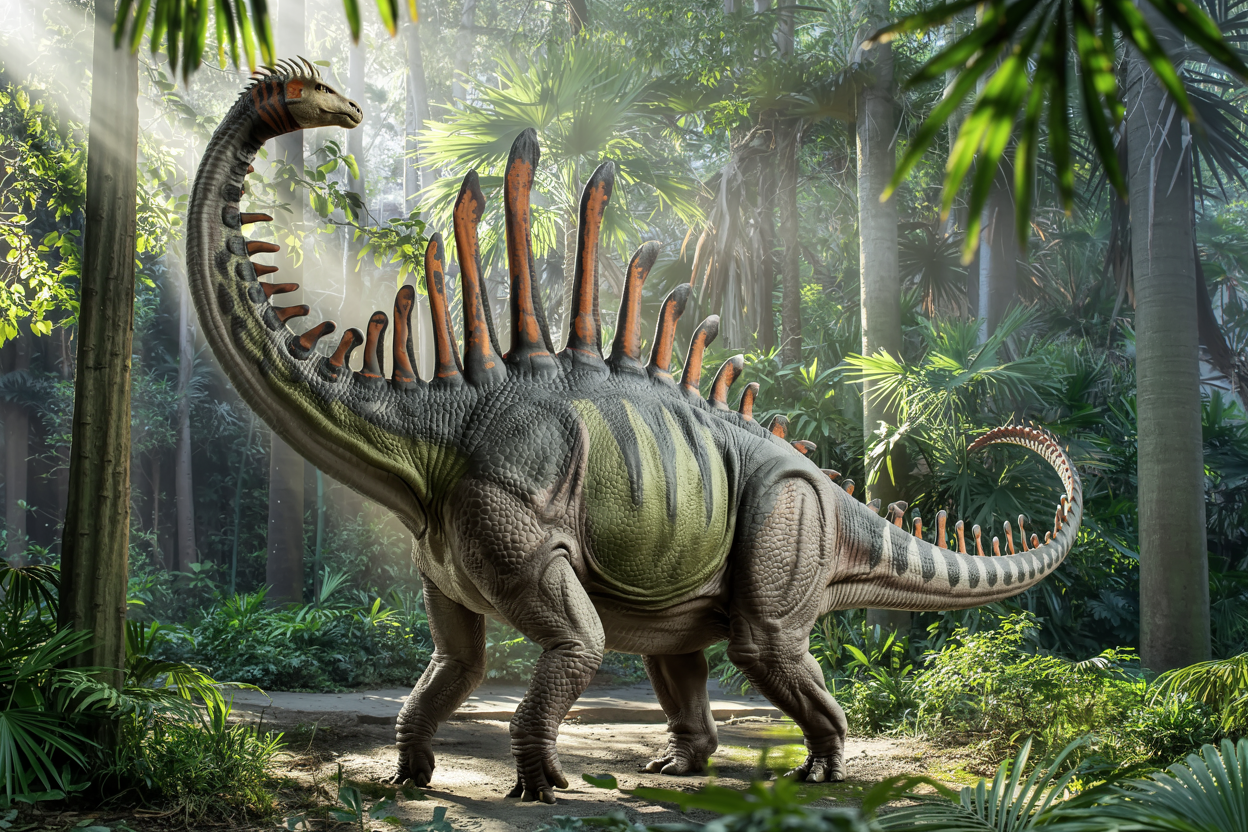
One of Daxiatitan’s most impressive features was its incredibly long neck, which likely allowed it to reach vegetation high in the tree canopy. Like other sauropods, it had a long tail, a barrel-shaped body, and four thick, pillar-like legs to support its immense weight. Its skull has not been found, but it likely had a small head with peg-like teeth, suited for stripping leaves off plants.
Daxiatitan’s body plan suggests it was built for bulk and reach, relying on its neck to access food without needing to move its massive frame too frequently.
Diet and Feeding Behavior
As a herbivore, Daxiatitan fed primarily on plants. Its long neck would have given it access to vegetation at different heights, including the tops of conifer trees, ferns, and other tall plants that grew in its environment. This feeding strategy likely helped it avoid competition with smaller herbivores that fed closer to the ground.
Its teeth were not designed for chewing but for raking or stripping foliage, which it would then swallow whole. Like many other sauropods, Daxiatitan likely had a large, fermentation-based digestive system that slowly broke down tough plant material over time. It may also have swallowed stones, called gastroliths, to aid in grinding up food inside its stomach.
Given its size, Daxiatitan would have needed to eat hundreds of pounds of vegetation each day to sustain itself.
Discovery and Fossil Record
Daxiatitan was officially named and described in 2008 by a team of Chinese paleontologists led by You Hailu. The discovery was based on a partial skeleton, including several neck vertebrae, dorsal vertebrae, sacral vertebrae, tail vertebrae, pelvic bones, and limb bones. Although the remains are incomplete, they were large and distinctive enough to establish Daxiatitan as a new genus and species.
The discovery added to the growing number of giant sauropods found in China and confirmed that Asia was home to some of the largest dinosaurs during the Early Cretaceous period.
Scientific Importance
Daxiatitan is considered a basal titanosauriform, a group of sauropods that includes some of the biggest dinosaurs to ever walk the Earth. Its features help scientists understand how sauropods evolved in Asia and how they may have spread between continents during the Cretaceous.
It also provides important evidence about sauropod diversity in China—a region that has yielded an increasing number of significant dinosaur discoveries in recent decades. Although much about Daxiatitan remains unknown, its sheer size and location make it an important piece in the puzzle of dinosaur evolution.
Daxiatitan in Popular Culture
Because it was only recently described and is known from limited fossils, Daxiatitan isn’t as well-known in popular media as some other giant sauropods like Argentinosaurus or Brachiosaurus. However, it occasionally appears in scientific literature, museum exhibits, and online dinosaur databases. Its dramatic size and long neck make it a standout among Asian dinosaurs, and as more fossils are discovered, it may become better known to the public.
Final Thoughts
Daxiatitan was one of the true giants of the Early Cretaceous—a long-necked, long-tailed, plant-eating titan that towered over its prehistoric landscape. Though only partially known, it represents a crucial piece of sauropod history in Asia and showcases the incredible variety of dinosaur life that once roamed the Earth. As excavations continue in China’s fossil-rich regions, future discoveries may help paint a more complete picture of this impressive dinosaur and its place in the world of giants.