Diplodocus is the #3 seed in the Sauropods division of the Dinosaur Tournament.
Diplodocus is one of the most recognizable dinosaurs in the world, thanks to its long neck, incredibly long tail, and slender frame. It was one of the longest dinosaurs ever discovered and a standout member of the sauropod family—a group known for producing the largest land animals of all time. Diplodocus lived during the Jurassic period and has become a staple in museums, books, and dinosaur exhibits for more than a century.
When and Where It Lived
Diplodocus lived during the Late Jurassic period, around 154 to 150 million years ago. Fossils have been found in western North America, primarily in the Morrison Formation, which stretches across parts of Colorado, Utah, Wyoming, and Montana.
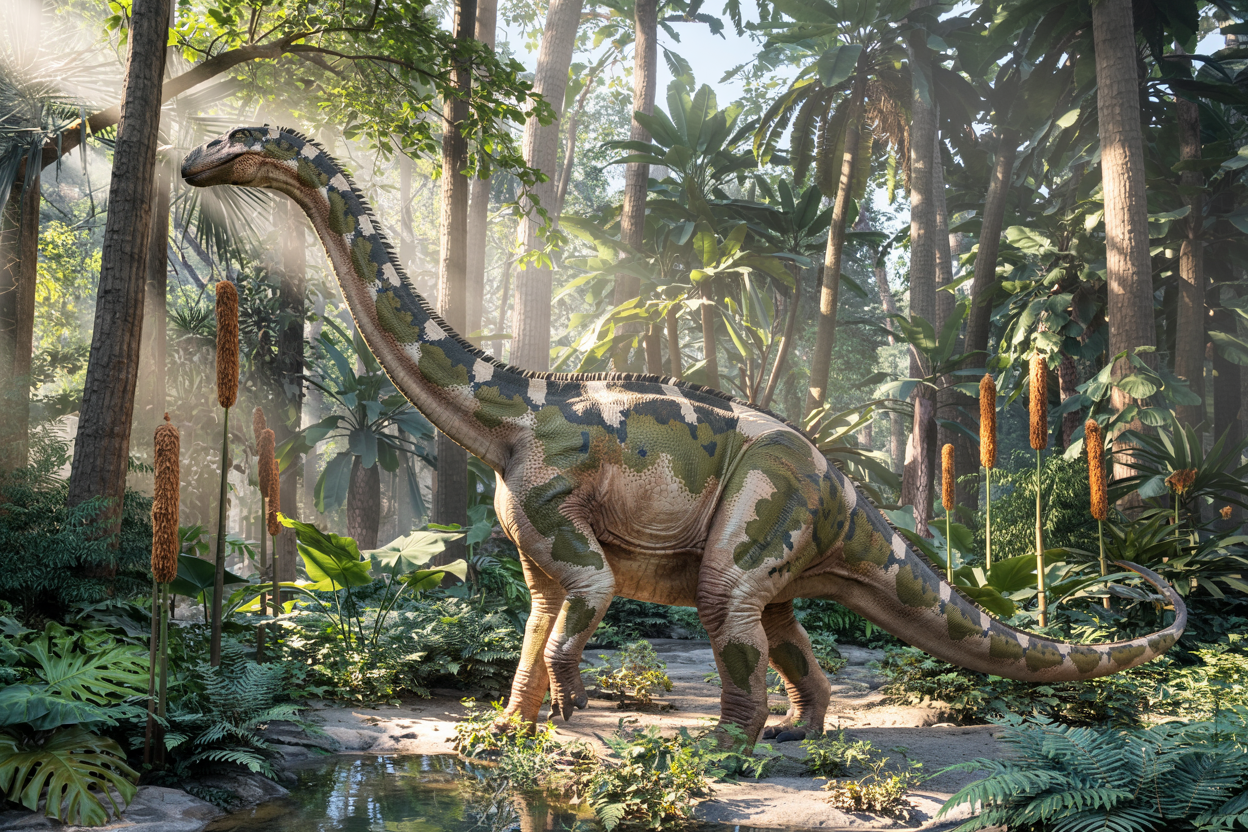
This area during the Jurassic was home to floodplains, river systems, and lush vegetation—perfect conditions for large herbivorous dinosaurs. Diplodocus shared its environment with other famous dinosaurs like Allosaurus, Stegosaurus, Camarasaurus, and Apatosaurus.
Size and Physical Features
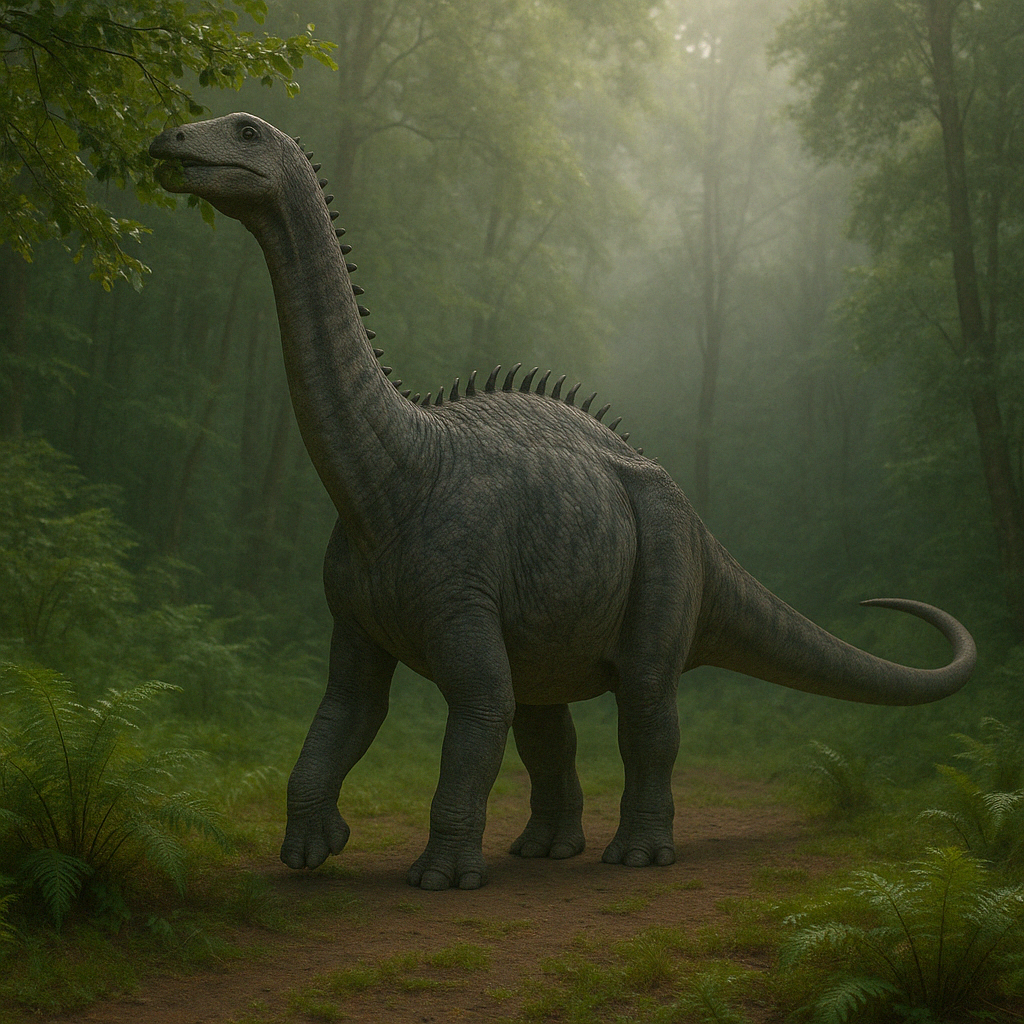
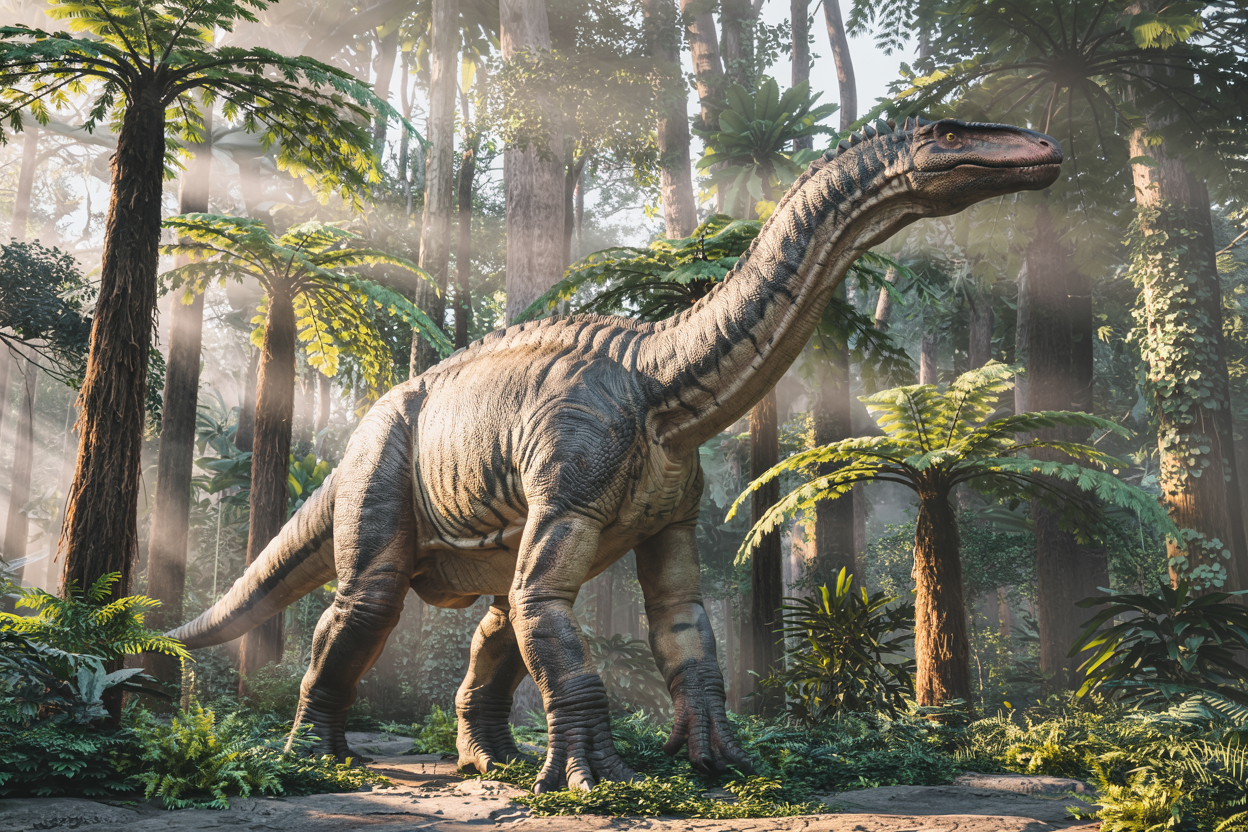
Diplodocus was impressively long, with some species estimated to reach lengths of up to 85 feet (26 meters). Despite its length, it was relatively lightweight for its size—estimated at 12 to 16 tons—due to its slender frame and hollow bones. Its body was long and low, with a neck that could stretch out horizontally and a whip-like tail that may have been used for defense or communication.
One of the most distinctive features of Diplodocus was its tail, which contained over 70 vertebrae and tapered into a narrow, flexible tip. Some scientists believe the tail could be snapped like a bullwhip to create loud cracking sounds, possibly to scare off predators or signal other members of the herd.
Its front legs were slightly shorter than its hind legs, giving its back a gentle downward slope from the hips to the shoulders. Its head was small, with a long, low snout and peg-like teeth located at the front of the mouth—ideal for stripping leaves from ferns and soft plants.
Diet and Feeding Behavior
Diplodocus was an herbivore and likely fed on low-growing vegetation. Its teeth were not suited for chewing but were perfect for grabbing and pulling soft plants into its mouth. The arrangement of its teeth at the front of its jaw allowed it to rake leaves efficiently from branches.
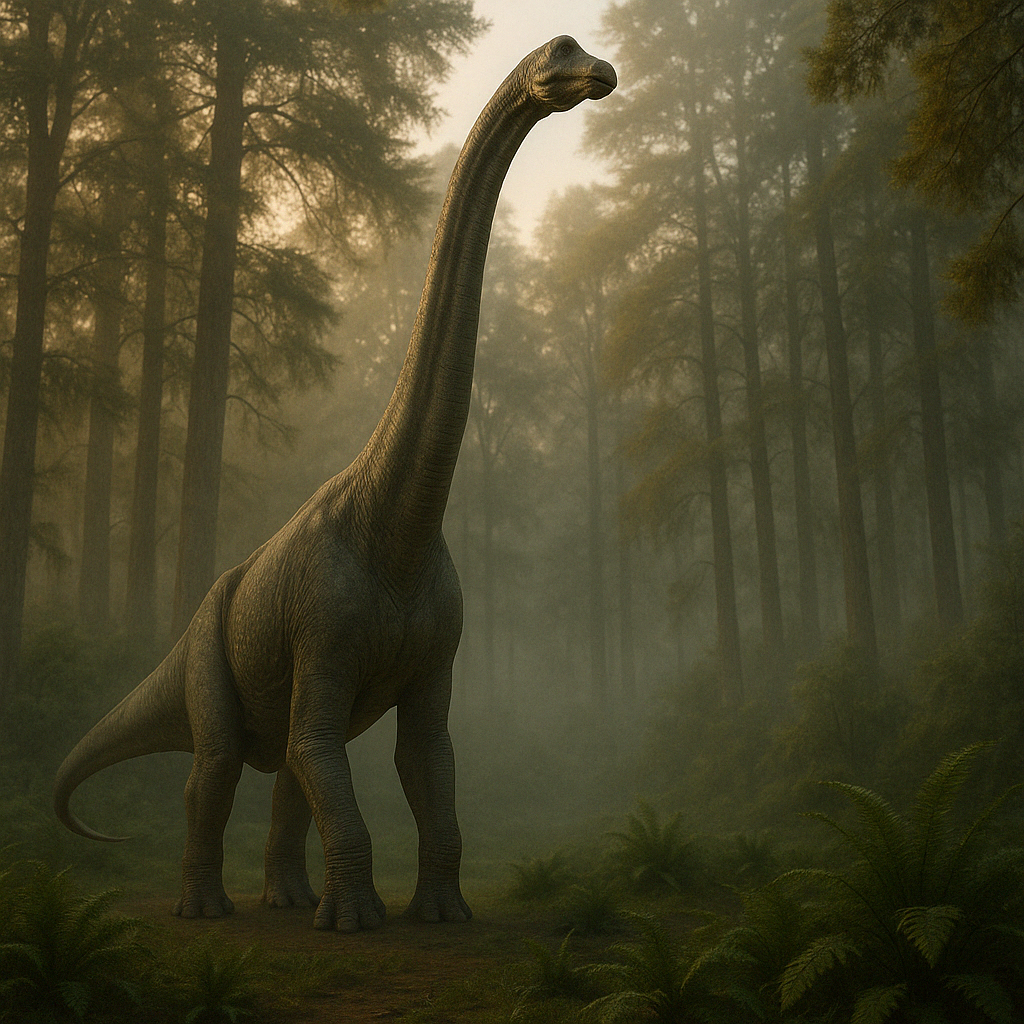
Some scientists have proposed that Diplodocus may have reared up on its hind legs, using its tail as a support, to reach higher vegetation. Others believe it may have spent most of its time feeding on ferns, cycads, and horsetails close to the ground or in shallow water.
To aid digestion, Diplodocus may have swallowed stones (called gastroliths) to help grind plant material in its stomach, similar to modern birds.
Discovery and Fossil History
Diplodocus was first discovered in 1877 by paleontologist Benjamin Mudge and his team in Colorado. It was later named Diplodocus longus by Othniel Charles Marsh in 1878. The name means “double beam,” referring to the distinctive double row of bones found on the underside of its tail vertebrae—a feature unique to this genus at the time.
Since its initial discovery, numerous Diplodocus specimens have been found, making it one of the best-known sauropods. One particularly famous specimen, named Diplodocus carnegiei, was discovered in 1899 and sponsored by industrialist Andrew Carnegie. Replicas of this skeleton were sent to museums around the world, helping Diplodocus become an international dinosaur icon.
Scientific Importance
Diplodocus belongs to the sauropod family Diplodocidae, which includes other long-necked dinosaurs like Apatosaurus, Barosaurus, and Supersaurus. It is one of the most studied sauropods and has provided valuable insight into the anatomy, growth, and behavior of these long-necked giants.
Its unique tail, neck structure, and lightweight skeleton make it an important species for understanding sauropod evolution and biomechanics. Studies of Diplodocus have helped paleontologists learn how these massive creatures moved, fed, and lived in groups.
Diplodocus in Pop Culture
Diplodocus has long been a favorite in dinosaur media. Its long, elegant shape and gentle appearance have made it a common choice for museums, children’s books, documentaries, and toy lines. It was one of the first dinosaurs to be displayed in a fully mounted skeleton and remains a centerpiece in many natural history museums today.
Thanks to its distinctive look and rich fossil history, Diplodocus continues to be one of the most popular and recognizable dinosaurs worldwide.
Final Thoughts
Diplodocus wasn’t the heaviest dinosaur, but it was certainly one of the longest. With its sweeping tail, elongated neck, and graceful stature, it stood out in a world full of giants. More than a century after its discovery, Diplodocus remains a key figure in the study of sauropods and a beloved symbol of the age of dinosaurs. Whether viewed through the lens of science or childhood wonder, this long-tailed giant continues to inspire curiosity and awe.