Fukuititan is the #14 seed in the Sauropods division of the Dinosaur Tournament.
Fukuititan is one of Japan’s most well-known dinosaur discoveries and an exciting example of a sauropod from East Asia. Like its relatives, this dinosaur had a long neck, long tail, and walked on four sturdy legs. It belonged to a group of large herbivores called titanosaurs, which were among the last surviving sauropods by the end of the dinosaur age. While Fukuititan wasn’t as massive as some of its South American cousins, it was still a sizable and impressive animal—and a crucial piece in Japan’s prehistoric puzzle.
When and Where It Lived
Fukuititan lived during the Early Cretaceous period, approximately 120 million years ago. Its fossils were discovered in the Kitadani Formation of Fukui Prefecture in central Japan. This region is now one of the most significant dinosaur fossil sites in the country and has produced several other species, including theropods and ornithopods.
During the Early Cretaceous, the area that is now Fukui was a warm, humid environment with river systems, lakes, and forests. This ecosystem supported a variety of plant-eating dinosaurs and the carnivores that hunted them. Fukuititan would have been one of the largest herbivores in its environment, slowly browsing through prehistoric forests in search of vegetation.
Size and Physical Characteristics
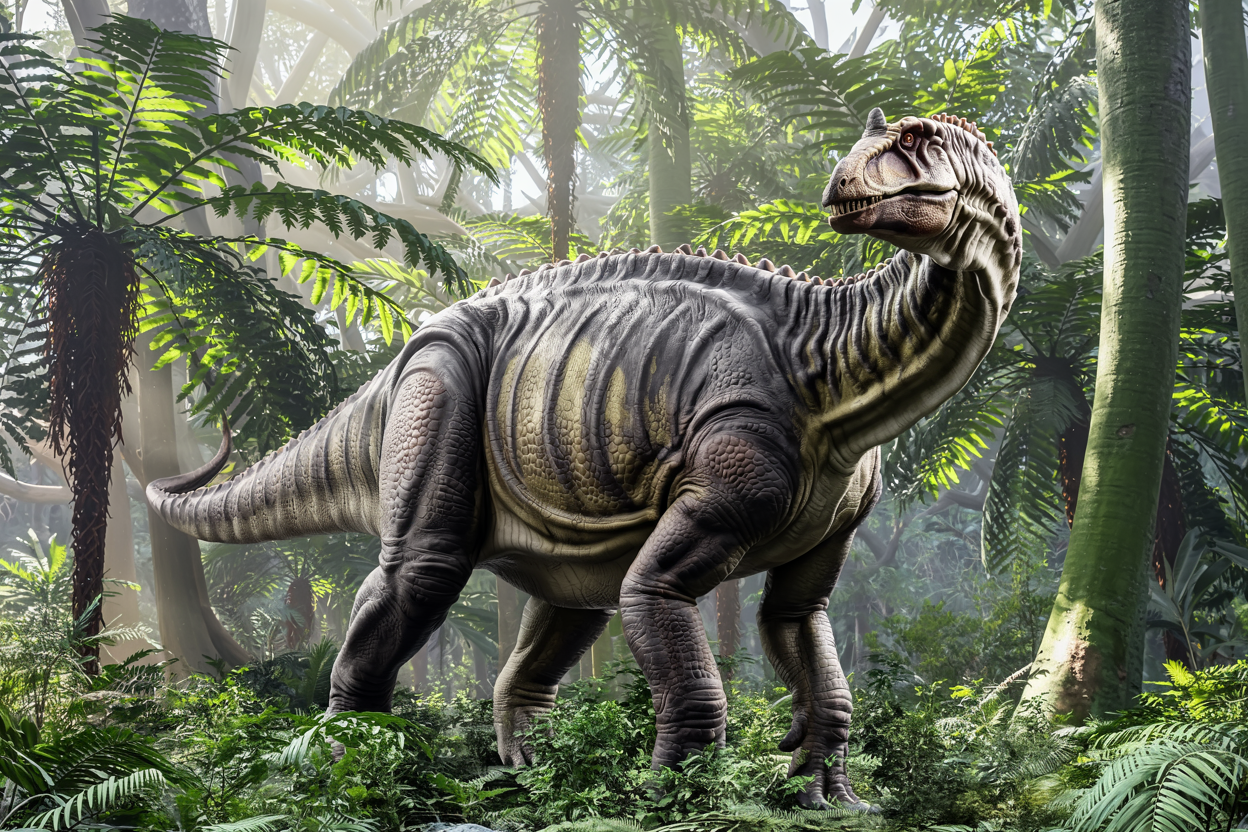
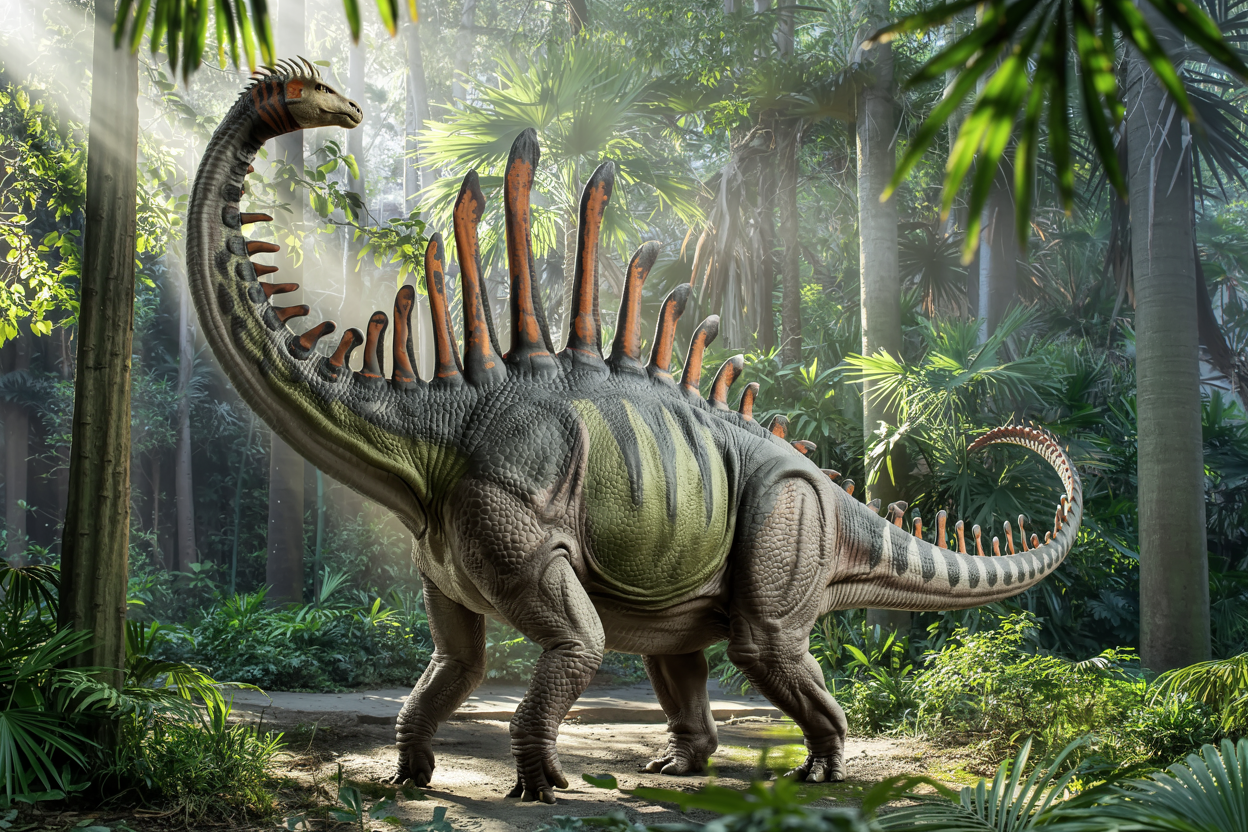
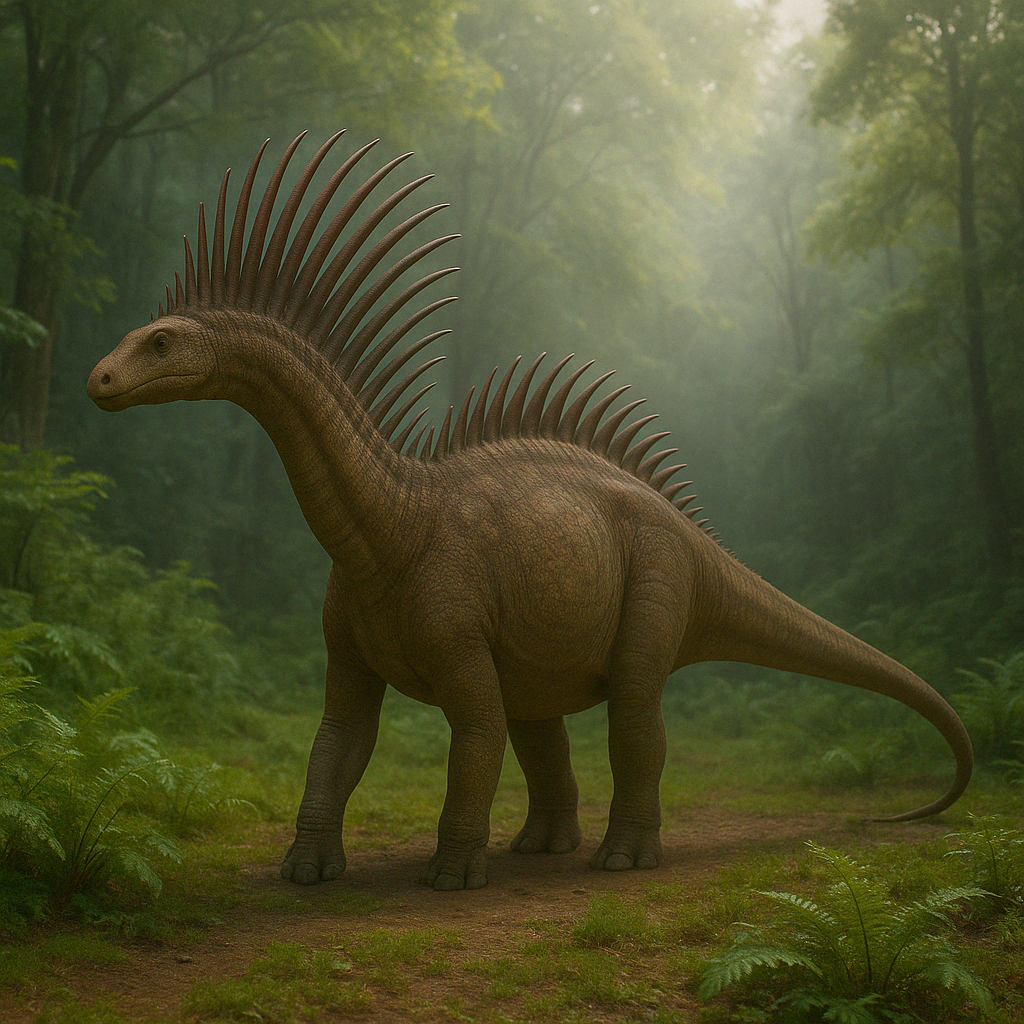
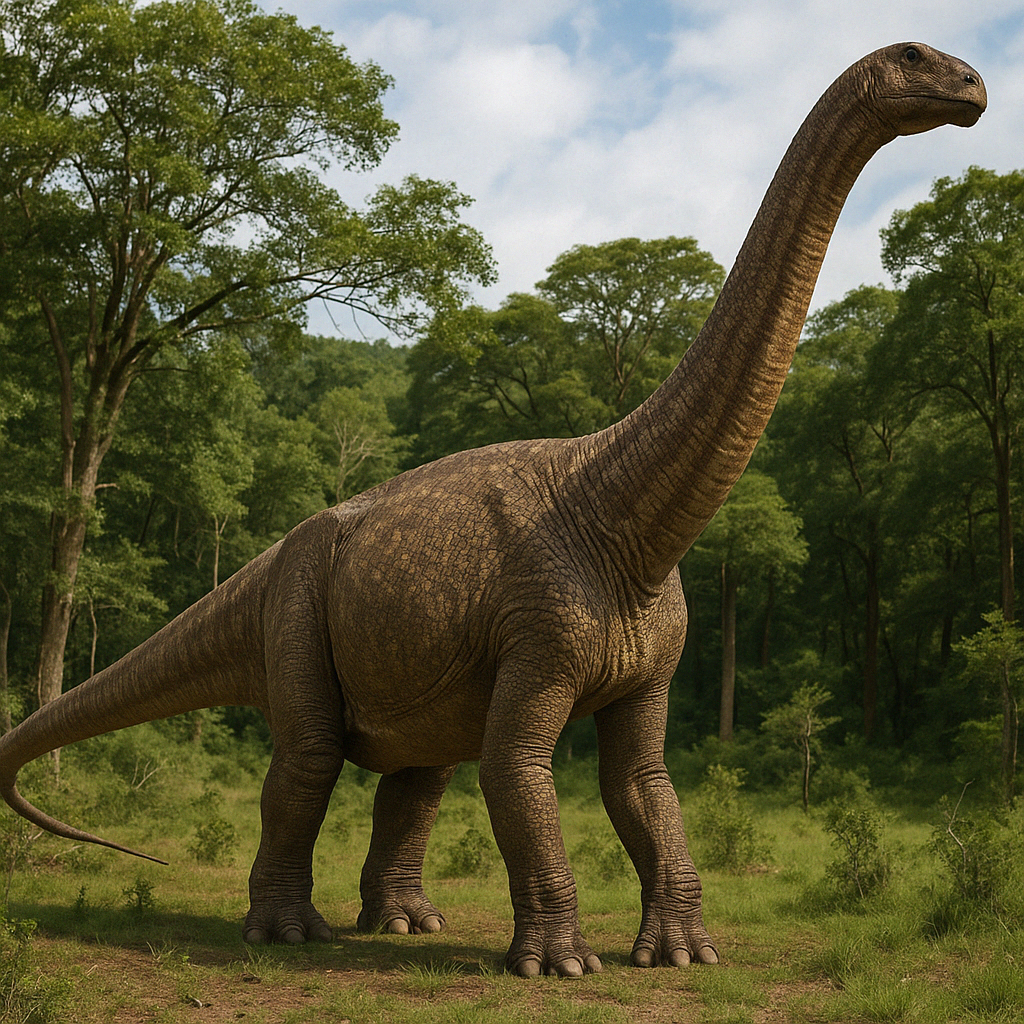
Fukuititan was a medium-sized sauropod, estimated to be around 30 to 40 feet (9 to 12 meters) in length. It had a long neck, a relatively small head, a bulky body, and a long tail—typical features of sauropods. It walked on all four legs, with strong, column-like limbs built to support its massive weight.
Its neck was likely flexible, allowing it to feed on a range of vegetation at different heights, from low-lying ferns to taller conifer branches. Although no complete skull has been found, it probably had peg-like teeth suited for stripping leaves rather than chewing. Like other titanosaurs, it may have had tough, scaly skin and possibly some light armor in the form of small bony plates, though none have been directly associated with Fukuititan.
Diet and Feeding Behavior
Fukuititan was an herbivore that relied on its long neck to help it access a wide range of plant material. Its teeth were designed for grabbing and pulling leaves, not for chewing. Once swallowed, the plant matter would pass through a large digestive system, where it was broken down through fermentation over time.
It’s possible that, like other sauropods, Fukuititan swallowed stones known as gastroliths to help grind up tough plant fibers in its stomach. Its slow metabolism and massive gut would have allowed it to digest large volumes of food, which was necessary to fuel its large body.
Discovery and Fossil Record
Fukuititan was officially named and described in 2010 by a team of Japanese paleontologists. The species name is Fukuititan nipponensis, with “Fukui” referring to the prefecture where it was found and “nipponensis” meaning “from Japan.” The fossils were unearthed in the Kitadani Quarry, part of the Katsuyama Dinosaur Forest in Fukui, a site that has become a hotspot for dinosaur research in Japan.
The known fossils include parts of the spine, limbs, and pelvic bones. Although the skeleton is incomplete, it was distinct enough to identify as a new genus and species. Fukuititan is the first sauropod to be formally named from Japan and marked an important milestone in the country’s paleontological history.
Scientific Importance
Fukuititan is significant because it adds to the relatively small number of sauropod dinosaurs known from East Asia, particularly Japan. Its discovery helps paleontologists understand how titanosaurs and other sauropods evolved and spread across ancient continents during the Cretaceous period.
It also provides insights into the types of environments that supported large herbivorous dinosaurs in island settings like early Japan. As more fossils are uncovered, scientists hope to better understand how dinosaurs like Fukuititan adapted to these environments and how they fit into the broader picture of sauropod evolution.
Fukuititan in Popular Culture
Fukuititan may not be as famous globally as Brachiosaurus or Argentinosaurus, but it has gained attention in Japan and among dinosaur enthusiasts. Models and reconstructions of Fukuititan can be seen in museums, especially at the Fukui Prefectural Dinosaur Museum—one of the leading dinosaur research institutions in Asia.
It is also featured in educational books, exhibits, and local tourism promotions as a symbol of Japan’s rich prehistoric past.
Final Thoughts
Fukuititan may not have been the largest sauropod, but it was a remarkable dinosaur in its own right. As one of the few titanosaurs discovered in Japan, it provides a valuable glimpse into the country’s ancient ecosystems. With its long neck, plant-based diet, and impressive size, Fukuititan holds an important place in the growing story of Asian dinosaurs—and continues to inspire curiosity and discovery across generations.