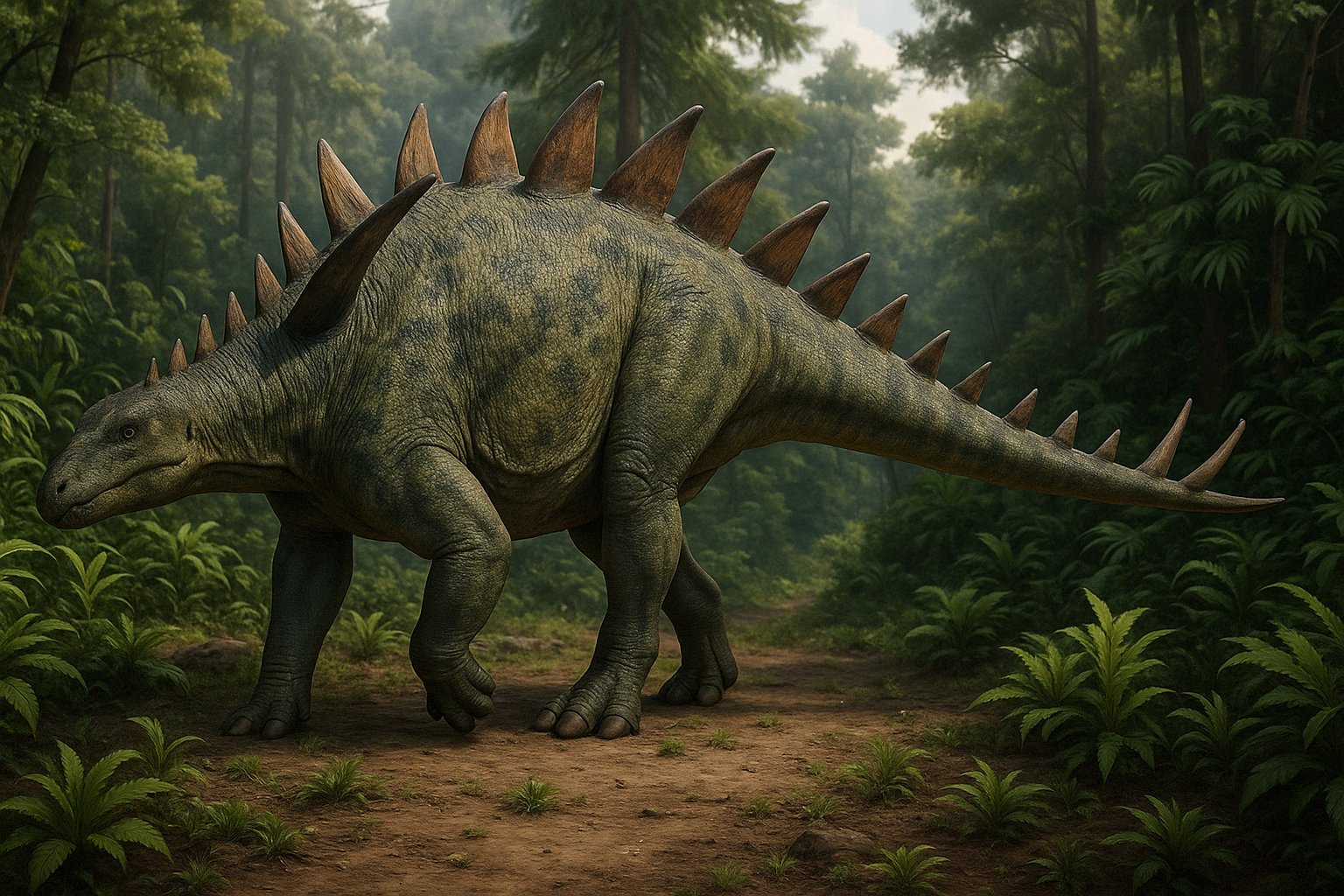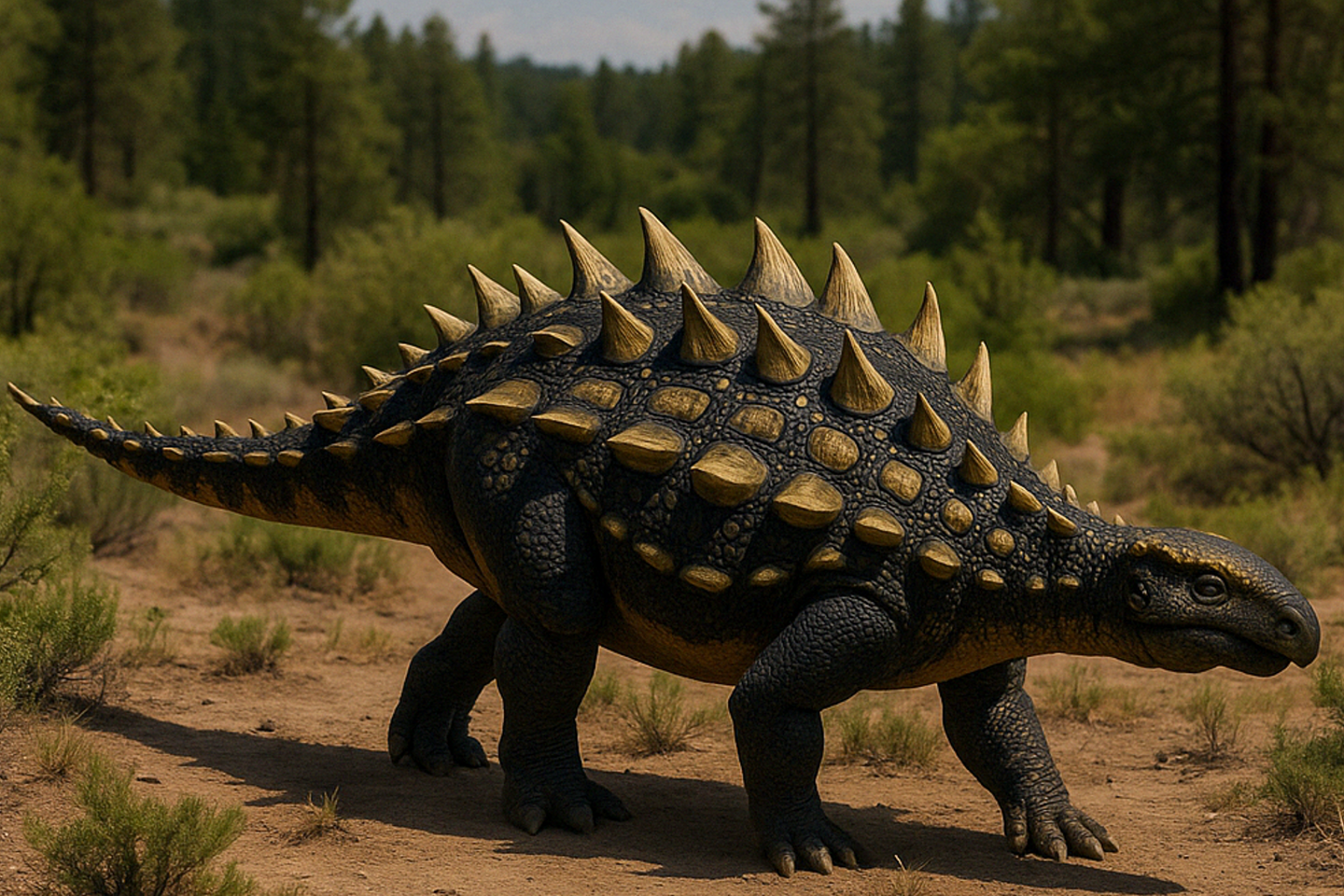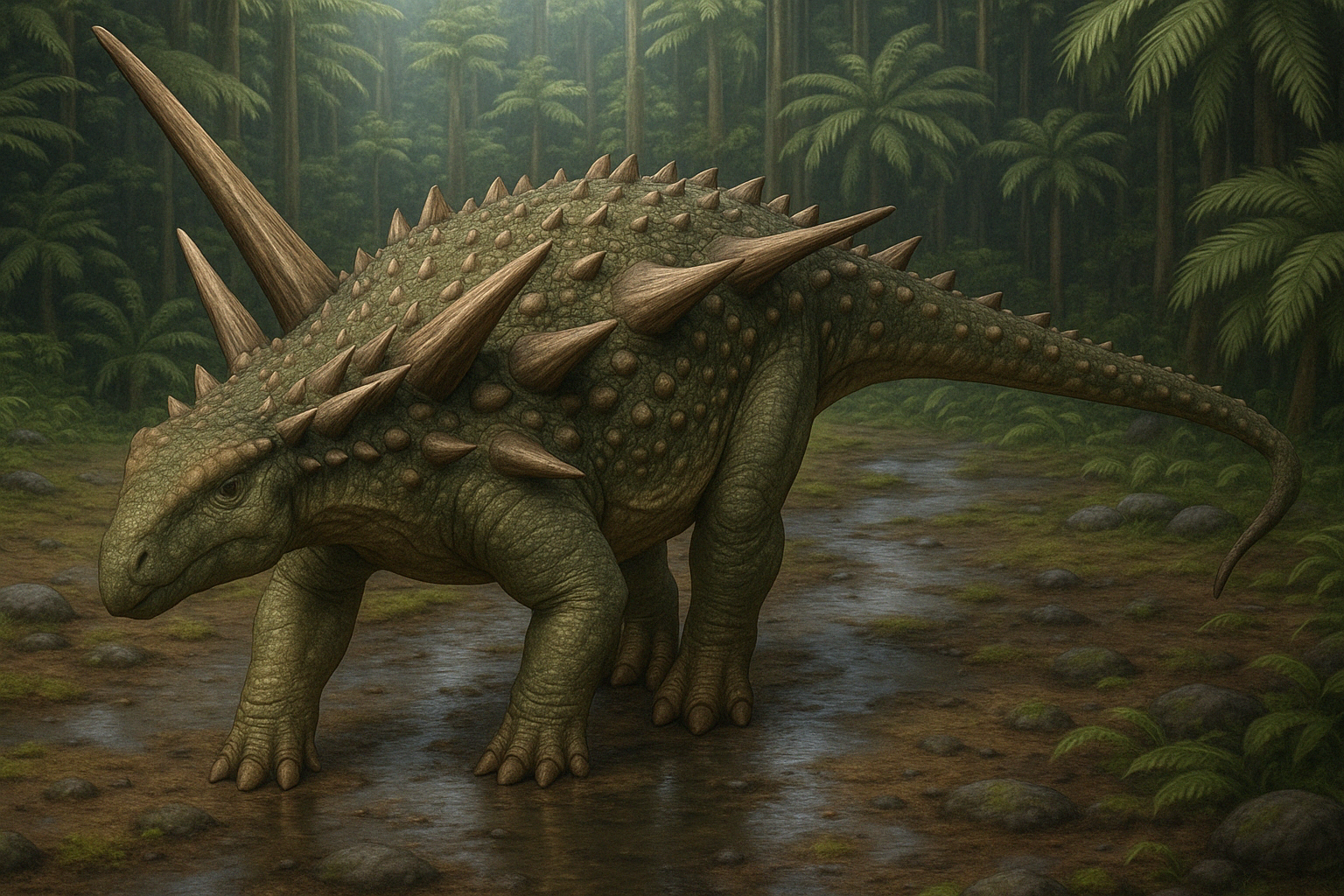
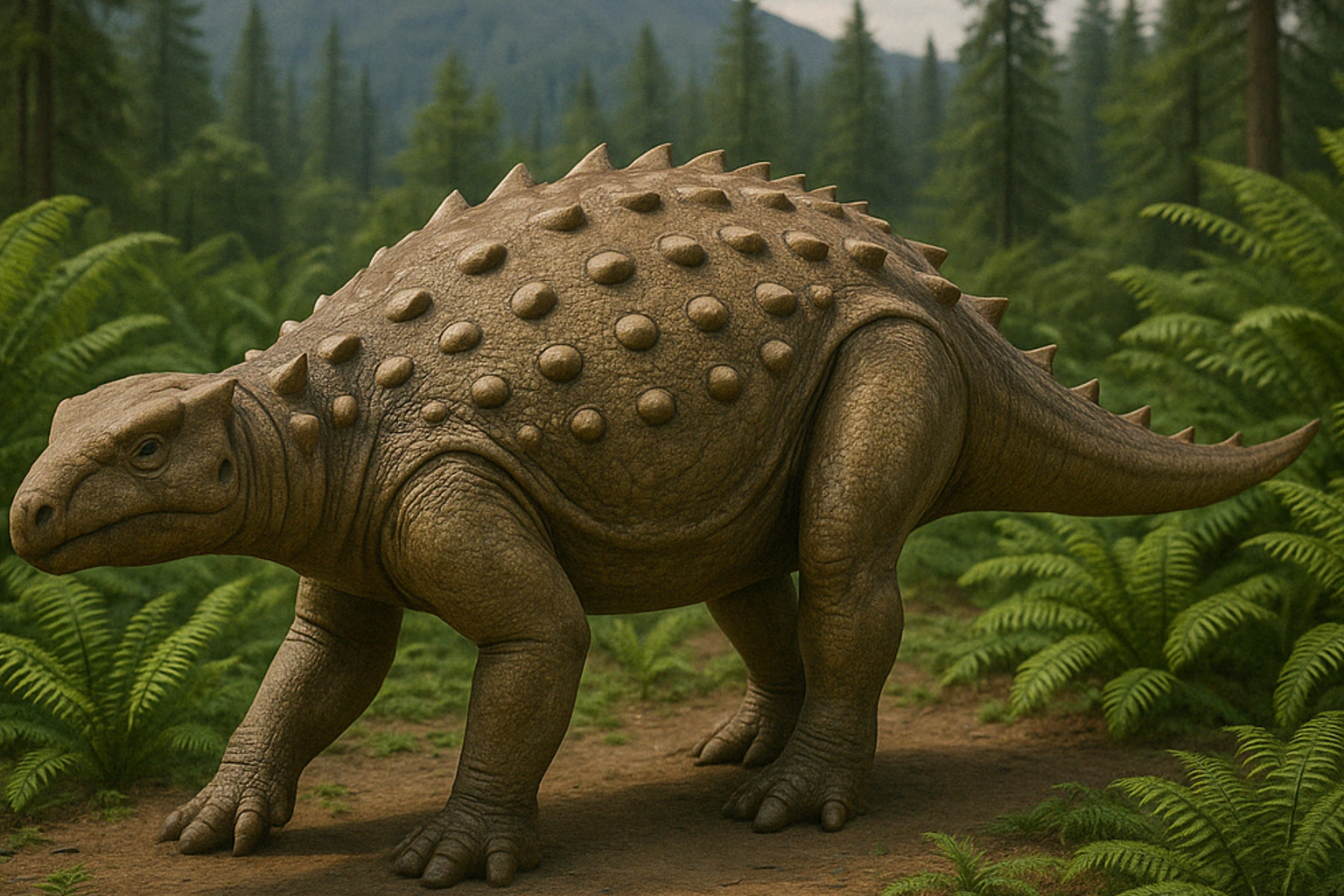
Minmi is the #10 seed in the Thyreophorans division of the Dinosaur Tournament.
Minmi was a small, armored dinosaur that lived in what is now Australia during the Early Cretaceous period. Although not as large or as heavily built as some of its ankylosaur relatives, Minmi was well-protected with bony armor and agile enough to avoid danger. As one of the first dinosaurs of its kind discovered in the Southern Hemisphere, Minmi holds a special place in paleontological history and offers valuable insight into the diversity of armored dinosaurs.
When and Where It Lived
Minmi lived approximately 120 to 110 million years ago during the Early Cretaceous period. Fossils have been found in Queensland, Australia, primarily in the Allaru and Winton formations, which represent a warm, coastal floodplain environment filled with rivers, forests, and ferns.
During the Early Cretaceous, Australia was part of the southern supercontinent Gondwana. The continent was closer to the South Pole than it is today, but the climate was still mild enough to support a wide variety of dinosaurs, including sauropods, theropods, and ornithopods. Minmi lived among this diverse dinosaur fauna, filling the niche of a small, low-browsing herbivore.
Size and Physical Characteristics
Minmi was relatively small for an armored dinosaur. It measured about 10 feet (3 meters) long and weighed around 600 to 700 pounds (270 to 320 kilograms). It had a low, broad body, short legs, and a long tail. Unlike the more famous Ankylosaurus, Minmi did not have a tail club or towering spikes, but it was still well-protected.
Its body was covered with osteoderms—bony plates embedded in the skin—providing a layer of defense against predators. What made Minmi particularly unique was the presence of horizontal bony plates along its sides, known as paravertebral plates. These may have offered additional protection and flexibility, helping Minmi defend itself while maintaining mobility.
Its head was relatively small, with a beak-like mouth suited for grazing, and its overall build was lighter and more agile than many of its heavily armored cousins.
Diet and Feeding Behavior
Minmi was a herbivore that fed on low-growing vegetation. With its short legs and low posture, it was well-suited to browsing on ferns, cycads, and other soft plants close to the ground. It had simple, leaf-shaped teeth designed for slicing, rather than grinding, plant material.
To aid digestion, Minmi likely relied on a large gut for fermenting tough plant fibers, a common trait among herbivorous dinosaurs. There is also evidence that it may have used gastroliths—small stones swallowed to help grind food in the digestive system.
Its feeding behavior was probably slow and deliberate, allowing it to gather food efficiently while staying alert to nearby predators.
Discovery and Fossil Record
Minmi was first discovered in 1964 near the Minmi Crossing in Queensland, and it was officially named Minmi paravertebra in 1980 by paleontologist Ralph Molnar. It was the first named ankylosaur from the Southern Hemisphere and remains one of the best-known armored dinosaurs from Australia.
The fossil remains included parts of the skull, vertebrae, limbs, and armor plates. More specimens have since been found in Queensland, improving our understanding of its anatomy and lifestyle. Although Minmi was once considered a basal ankylosaur, newer research has questioned its exact classification within the group, and its precise place on the dinosaur family tree is still debated.
Regardless of classification, Minmi remains an important discovery because of its completeness and its role in expanding our knowledge of southern hemisphere dinosaurs.
Scientific Importance
Minmi’s discovery was significant for several reasons. It provided the first clear evidence of ankylosaurs in Australia and helped demonstrate that armored dinosaurs were more widespread than previously thought. Its relatively complete fossils also offered an early look at how smaller, lighter ankylosaurs may have evolved in response to their environment.
Minmi’s anatomy—including its lighter build and horizontal body armor—suggests it may have been more agile than heavily armored North American species like Ankylosaurus. This could reflect adaptations to different predators or habitats in Australia during the Early Cretaceous.
Its unusual armor arrangement continues to be studied by paleontologists as they explore how ankylosaurs evolved diverse defense strategies.
Minmi in Popular Culture
While Minmi isn’t as well-known as larger armored dinosaurs, it has earned attention for being “Australia’s armored dinosaur.” It has appeared in books, museum exhibits, and educational materials focusing on Australian prehistory. The Queensland Museum and other institutions often highlight Minmi as one of the region’s most important dinosaur discoveries.
Its small size, distinctive armor, and unique geography make it a fan favorite among those interested in lesser-known but fascinating dinosaurs.
Final Thoughts
Minmi may have been small, but it was a tough and resilient dinosaur that thrived in ancient Australia. With its bony armor, low-to-the-ground build, and clever adaptations, it represents a different kind of dinosaur defense—one built more on agility and protection than brute strength. As one of the earliest known ankylosaurs from the Southern Hemisphere, Minmi continues to play a key role in our understanding of armored dinosaur evolution and the diverse ecosystems of the Cretaceous.