Oviraptor is the #13 seed in the Theropods division of the Dinosaur Tournament.
Oviraptor is one of the most famous—and misunderstood—dinosaurs of the Cretaceous period. When it was first discovered, scientists thought it was a sneaky egg thief. But over time, new discoveries have completely changed that story. Today, we know that Oviraptor was a feathered, bird-like dinosaur with fascinating behaviors, including possible parental care. Its journey from “egg stealer” to “devoted parent” is one of the most interesting tales in dinosaur science.
When and Where It Lived
Oviraptor lived during the Late Cretaceous period, about 75 to 71 million years ago. Fossils have been found in the Gobi Desert of Mongolia, particularly in the Djadokhta Formation. At that time, the area was a dry, sandy environment with sand dunes, limited water sources, and scattered vegetation. Despite the harsh conditions, it supported a wide variety of dinosaur species, including Protoceratops, Velociraptor, and many other small theropods.
Size and Appearance
Oviraptor was a relatively small dinosaur. It measured about 5 to 6 feet (1.5 to 2 meters) in length and weighed around 70 to 80 pounds (30 to 35 kilograms). Its body was light and built for speed, with long legs, a short tail, and a bird-like posture.
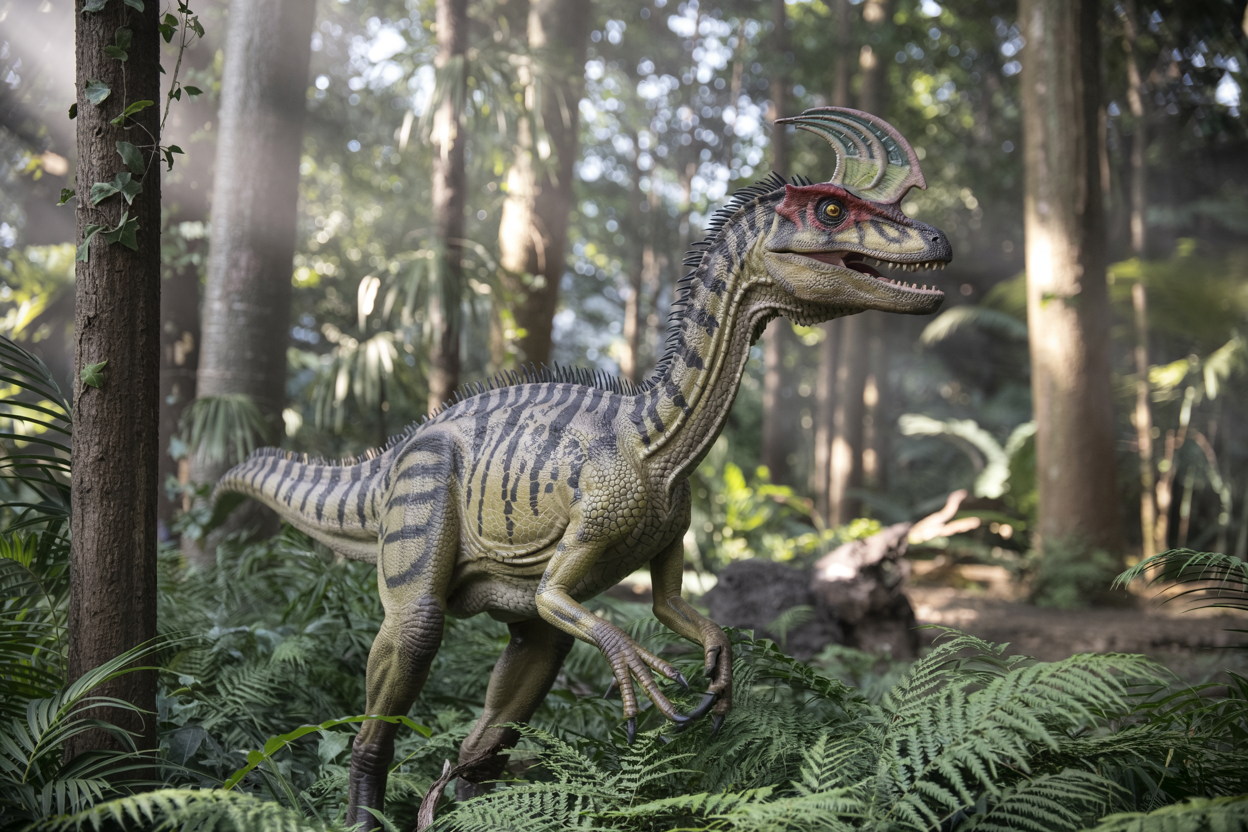
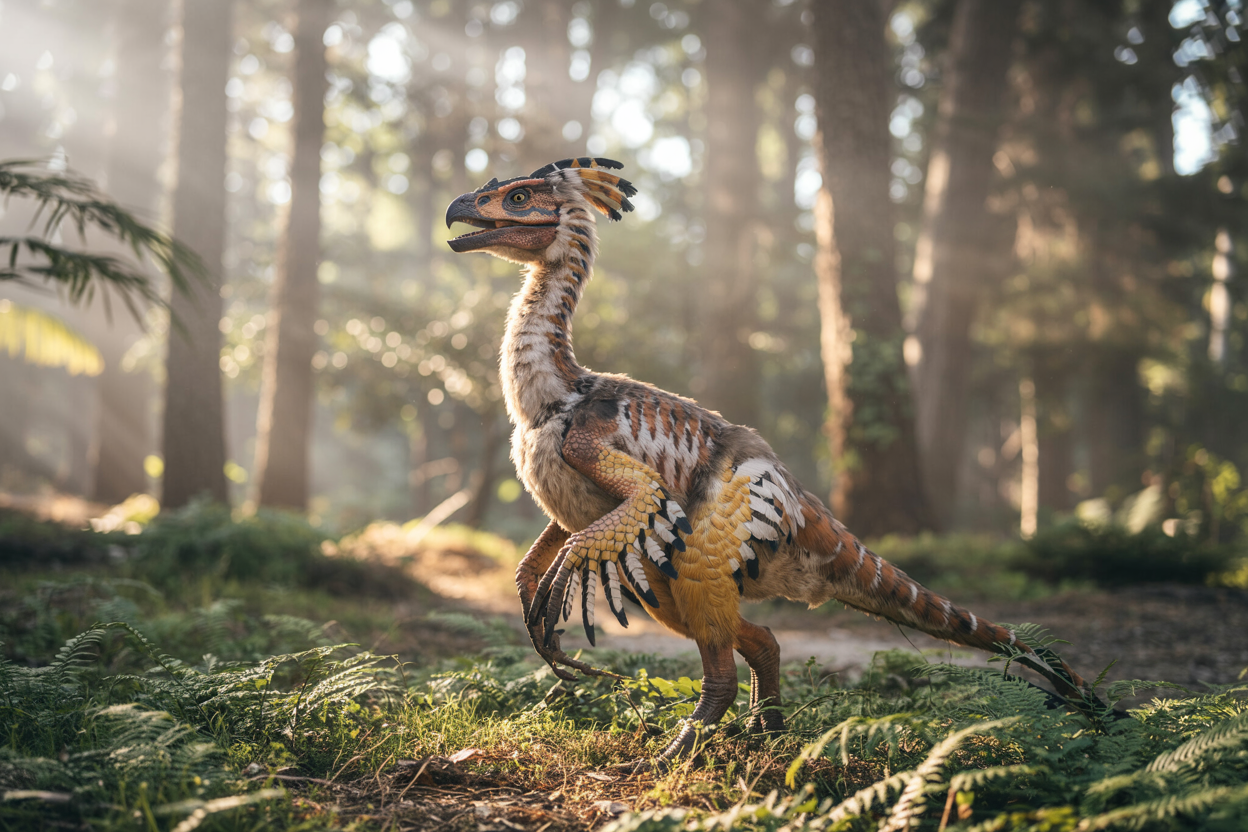
One of its most distinctive features was its toothless beak, which ended in a sharp, parrot-like curve. On top of its head, it had a small crest—possibly used for display or species recognition. Like many of its relatives, Oviraptor is believed to have been covered in feathers, including wing-like structures on its arms.
What It Ate
The diet of Oviraptor is still debated. Its beak was strong and well-suited for crushing or slicing, suggesting a varied diet. Some scientists think it ate eggs, small animals, insects, shellfish, or plants—possibly making it an omnivore.
Its name, which means “egg thief,” came from the original discovery of a fossil found near a nest of eggs. Early researchers assumed it had been caught stealing and eating eggs from another dinosaur’s nest—specifically from Protoceratops. However, later evidence revealed that the eggs likely belonged to Oviraptor itself, meaning it wasn’t stealing—it was nesting.
Discovery and Name
The first Oviraptor fossil was discovered in 1923 by an American expedition to Mongolia. It was found on top of a nest of eggs, and its name—Oviraptor philoceratops—was given under the assumption that it was stealing those eggs. “Ovi” means egg, and “raptor” means thief.
For decades, the name stuck, and Oviraptor became known as the egg thief of the dinosaur world.
But in the 1990s and early 2000s, new fossils were found showing adult Oviraptorids sitting on nests in brooding positions, similar to modern birds. Some fossils even preserved embryos inside the eggs, proving they belonged to the nesting adult—not another species. These discoveries completely changed how scientists viewed Oviraptor and its behavior.
Parental Behavior and Nesting
One of the most fascinating things about Oviraptor is the evidence suggesting it cared for its eggs and possibly its young. Fossils of adults preserved on top of nests—with arms spread out in a protective pose—are remarkably similar to how birds incubate their eggs today.
Some scientists believe Oviraptor may have used its feathers to keep the eggs warm, shield them from sandstorms, or protect them from predators. This makes Oviraptor one of the earliest known dinosaurs to show bird-like nesting behavior, providing key insights into the evolution of parental care in birds.
Classification and Evolutionary Significance
Oviraptor belongs to a group of dinosaurs called Oviraptorosaurs, which are part of the larger group of theropods. These dinosaurs were closely related to birds and shared many avian traits, including feathers, nesting behavior, and hollow bones.
Oviraptorosaurs come in various shapes and sizes, and Oviraptor is one of the smaller, more well-known members. Its close relationship to birds supports the growing body of evidence that modern birds evolved from small, feathered theropods like this one.
Pop Culture and Public Recognition
Despite its reputation as an “egg thief,” Oviraptor has remained a popular dinosaur in books, documentaries, and museum exhibits. Its compact size, toothless beak, and bird-like appearance make it a favorite among kids and paleontology fans.
Modern depictions are starting to correct the old misunderstandings, showing Oviraptor as a feathered, nesting dinosaur rather than a villainous thief.
Final Thoughts
Oviraptor is a perfect example of how science evolves with new evidence. Once thought to be a sneaky predator stealing eggs, it’s now seen as a caring parent and a key piece of the evolutionary link between dinosaurs and birds. With its bird-like features and fascinating behaviors, Oviraptor continues to reshape our understanding of prehistoric life.