Tyrannosaurus rex, often shortened to T. rex, is one of the most well-known and fascinating dinosaurs to ever walk the Earth. With its massive size, powerful bite, and iconic appearance, T. rex continues to capture the imagination of scientists, students, and dinosaur enthusiasts alike. It lived during the Late Cretaceous period, around 68 to 66 million years ago.
Physical Characteristics
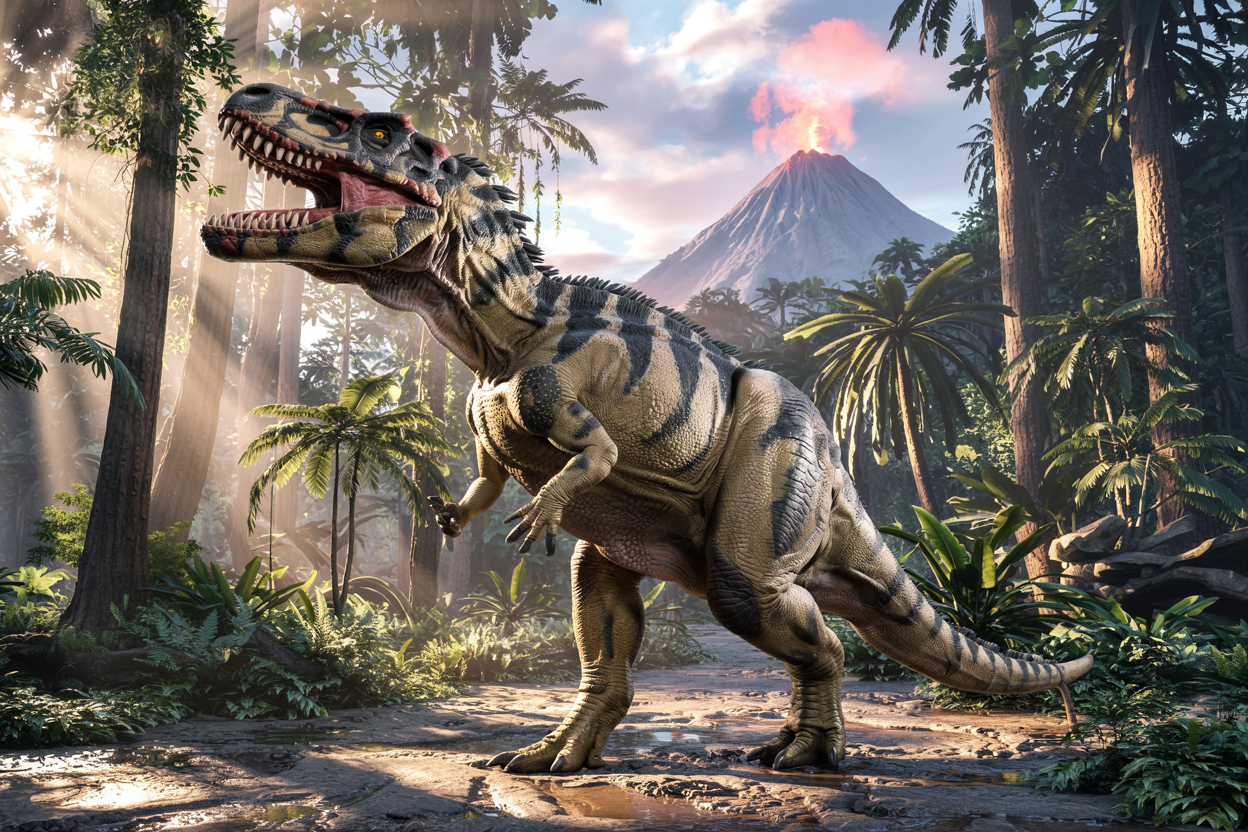
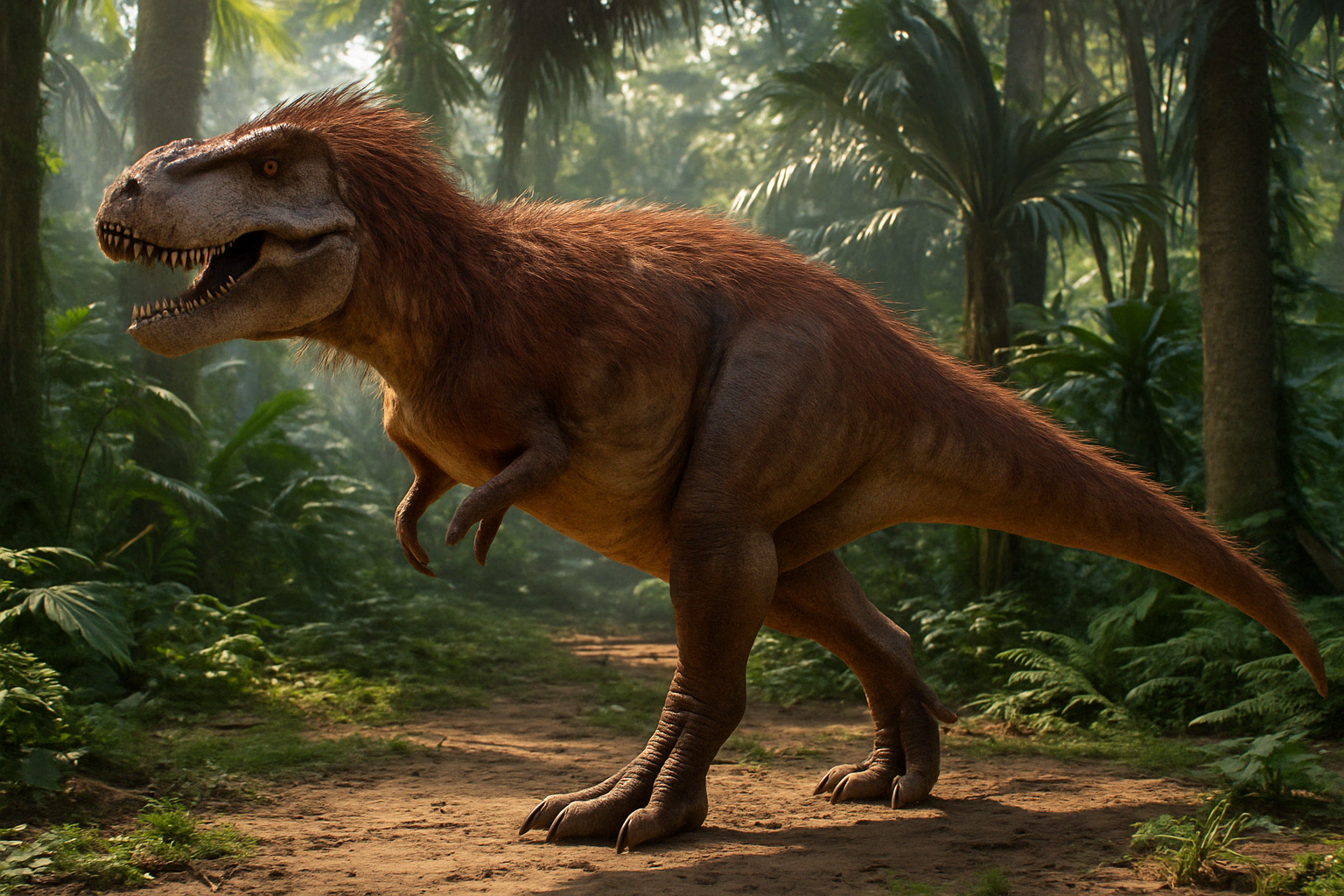
Tyrannosaurus rex was a bipedal carnivore with a huge skull, a long and heavy tail, and powerful hind limbs. Adults could reach lengths of up to 40 feet, stand about 12 feet tall at the hips, and weigh between 9 and 10 tons. Its enormous jaws were packed with thick, serrated teeth that could grow up to 12 inches long.
Despite its tiny arms, each with only two clawed fingers, T. rex was a formidable predator. Its forelimbs were surprisingly strong for their size and may have helped grasp prey during feeding. Its long, muscular tail helped balance its massive head and aided in quick turns while moving.
Hunting and Diet
There is still debate about whether T. rex was primarily a hunter, scavenger, or both. The most widely accepted view is that it was an opportunistic carnivore: it likely hunted live prey, but would not pass up a carcass.
Its bite force was among the strongest of any land animal that has ever lived, estimated at around 12,000 pounds per square inch. That was strong enough to crush bone, and fossilized bite marks support the idea that T. rex could consume entire animals, bones and all.
Senses and Intelligence
Tyrannosaurus rex likely had keen senses. Its forward-facing eyes gave it binocular vision for judging distance, and fossil evidence suggests a strong sense of smell useful for tracking prey or locating carcasses.
Its brain was not especially large compared with its body, but it was fairly advanced for a dinosaur. Regions responsible for vision and smell were especially developed, supporting the behavior of a top predator.
Fossil Discoveries
The first partial skeleton of Tyrannosaurus rex was discovered in 1902 by Barnum Brown in Montana. Henry Fairfield Osborn formally named the species in 1905. Since then, more than 50 specimens have been discovered, including some nearly complete skeletons.
Famous specimens include Sue, housed at the Field Museum of Natural History in Chicago, and Scotty, one of the largest T. rex individuals ever discovered.
Extinction
T. rex went extinct around 66 million years ago during the Cretaceous-Paleogene extinction event. This mass extinction was likely caused by a combination of volcanic activity, climate change, and a massive asteroid impact near what is now the Yucatan Peninsula.
Pop Culture Icon
Thanks to its fearsome appearance and frequent appearances in books, movies, museums, documentaries, and toy lines, Tyrannosaurus rex has become one of the most recognizable dinosaurs in the world.
Final Thoughts
Tyrannosaurus rex was a true apex predator of Late Cretaceous North America. Its combination of size, strength, sharp senses, and crushing bite made it one of the most effective carnivores in history.