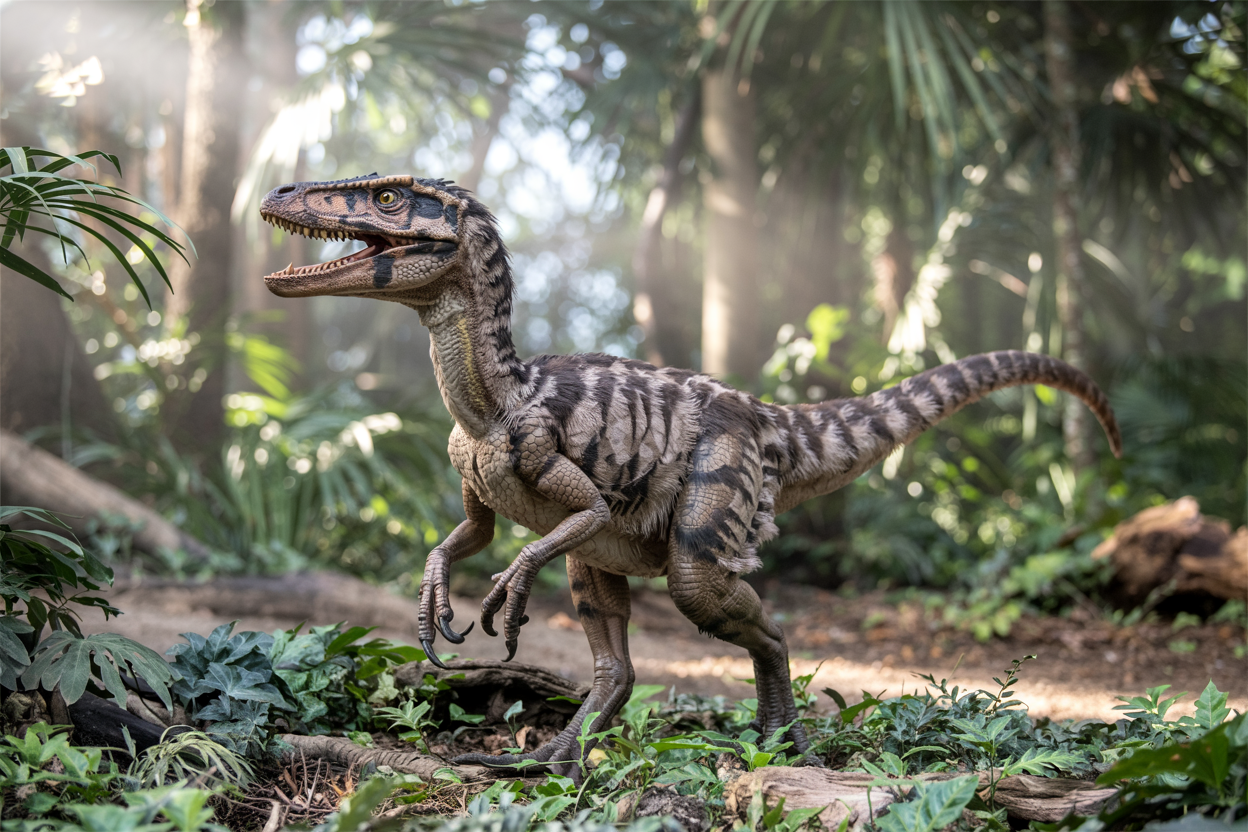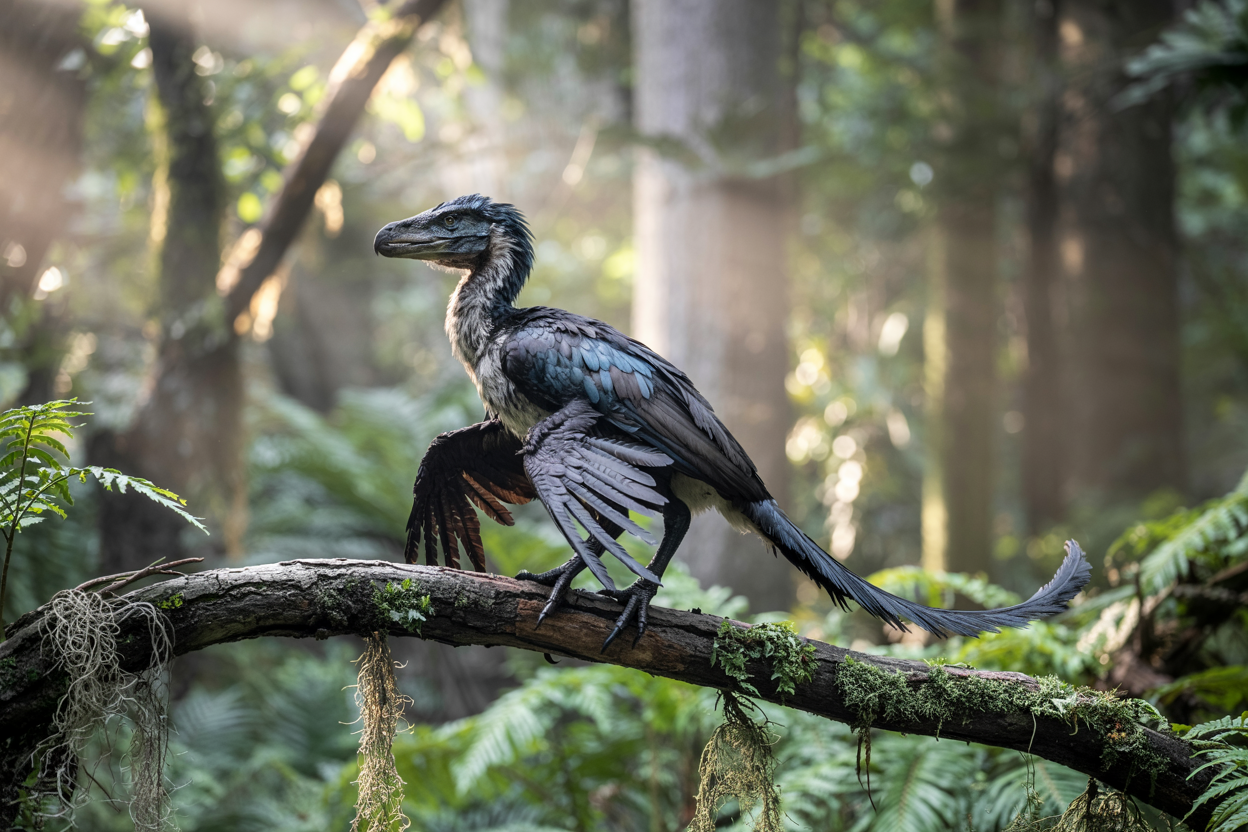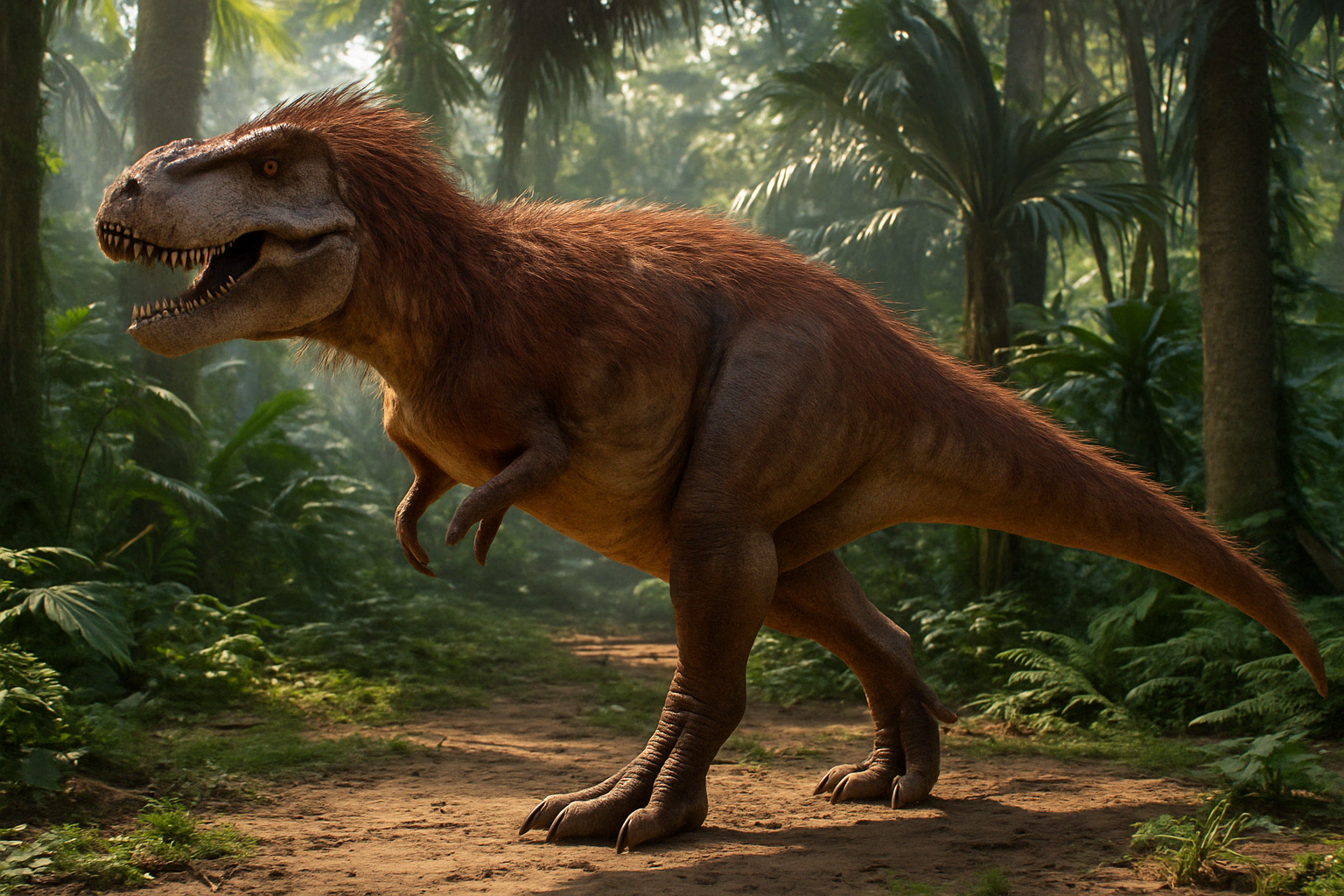
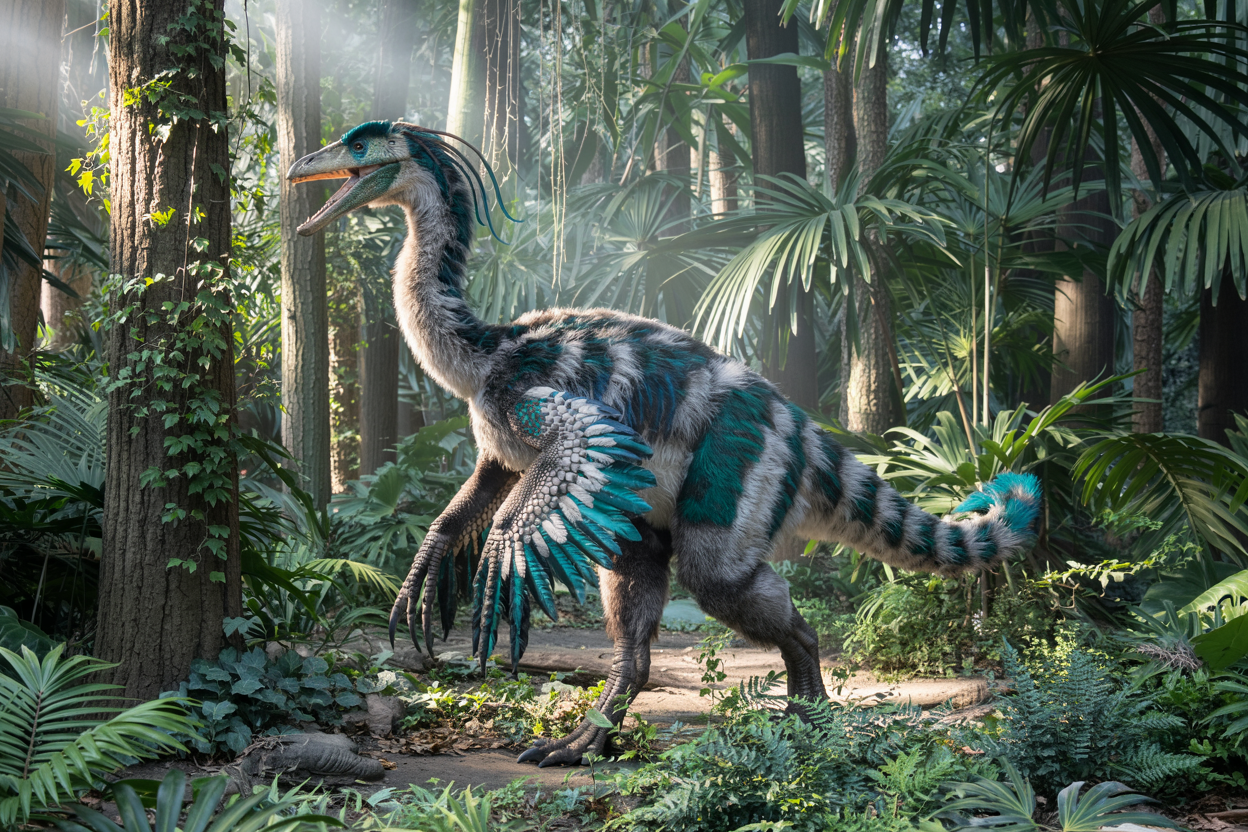
Therizinosaurus is the #6 seed in the Theropods division of the Dinosaur Tournament.
Therizinosaurus is one of the strangest and most fascinating dinosaurs ever discovered. With its enormous claws, long neck, and plant-eating habits, this dinosaur looks like it was assembled from parts of several different animals. For years, scientists debated what kind of creature it even was. Today, we know that Therizinosaurus was a unique theropod dinosaur—part of the same group that includes T. rex and modern birds—but with a completely different lifestyle.
When and Where It Lived
Therizinosaurus cheloniformis lived approximately 70 million years ago during the Late Cretaceous period. Its fossils have been found in Mongolia, specifically in the Nemegt Formation, a region that was once a lush, river-filled environment supporting a wide range of prehistoric life, including large herbivores and fearsome predators like Tarbosaurus.
Size and Physical Features
Therizinosaurus was a large dinosaur, estimated to be about 30 to 33 feet (9 to 10 meters) long and weighing around 3 to 5 tons. It walked on two legs and had a long neck, a small head, and a bulky, barrel-shaped body.
Its most famous feature was its claws. Each hand had three long fingers ending in huge, curved claws that could reach over 3 feet (1 meter) in length—making them the longest claws of any known land animal. These claws likely weren’t used for hunting, as once thought, but may have been used for defense, foraging, or pulling down branches to eat leaves.
Therizinosaurus also had a beaked mouth, likely used for cropping vegetation. Its teeth were small and leaf-shaped, well-suited for a plant-based diet. Despite being a theropod—a group known mainly for carnivores—Therizinosaurus was an herbivore, and its entire body structure reflected this plant-eating lifestyle.
Diet and Behavior
For a long time, scientists were unsure what Therizinosaurus ate. Its claws were initially thought to belong to a giant turtle or a vicious predator. But later discoveries of related species revealed features more consistent with herbivory.
Its long arms and claws may have helped it pull down branches or strip leaves from trees. Its beak and small teeth suggest it fed on soft vegetation rather than tough plant material. Some researchers also believe it may have used its claws for defense against predators.
Because of its size and odd appearance, Therizinosaurus probably wasn’t a fast runner. Instead, it may have relied on its intimidating claws and large body to deter attackers.
Discovery and Fossil Evidence
The first fossils of Therizinosaurus were discovered in Mongolia in the late 1940s. These included only the huge claws and some arm bones. At the time, scientists weren’t sure what kind of animal they had found. Some thought the claws belonged to a giant turtle-like reptile—hence the species name cheloniformis, meaning “turtle-shaped.”
It wasn’t until the 1990s and 2000s, when more complete skeletons of related dinosaurs were found, that paleontologists realized Therizinosaurus was a theropod dinosaur. These discoveries helped clarify its place in the dinosaur family tree and led to a better understanding of its anatomy and behavior.
Classification and Evolution
Therizinosaurus is part of a group of theropod dinosaurs called therizinosaurs. Unlike their carnivorous cousins, therizinosaurs were primarily herbivores and had body shapes more similar to those of sauropods or ornithischians—long necks, wide bellies, and small heads.
They are an unusual branch of the theropod lineage and show just how diverse and adaptable dinosaurs were. Despite their odd appearance, therizinosaurs share many features with birds, including a beak, feathers (in related species), and lightweight bones.
Therizinosaurus itself is the largest and most famous member of this group and represents one of the most extreme examples of herbivory in theropod evolution.
Pop Culture and Public Interest
Therizinosaurus has gained popularity in recent years, especially after appearing in documentaries and films. Most notably, it featured in Jurassic World Dominion (2022), where it was portrayed as a powerful and somewhat mysterious creature. While the movie version was exaggerated for dramatic effect, it helped introduce Therizinosaurus to a wider audience.
With its massive claws and bird-like features, Therizinosaurus is a favorite among dinosaur fans who enjoy the weirder side of prehistoric life.
Final Thoughts
Therizinosaurus is a perfect example of how surprising and diverse the world of dinosaurs really was. From its towering claws to its unexpected plant-based diet, this unusual dinosaur continues to challenge what we thought we knew about the Mesozoic era.
As more fossils are uncovered and studied, we’ll likely learn even more about this bizarre herbivore and its place in the complex ecosystems of the Late Cretaceous.