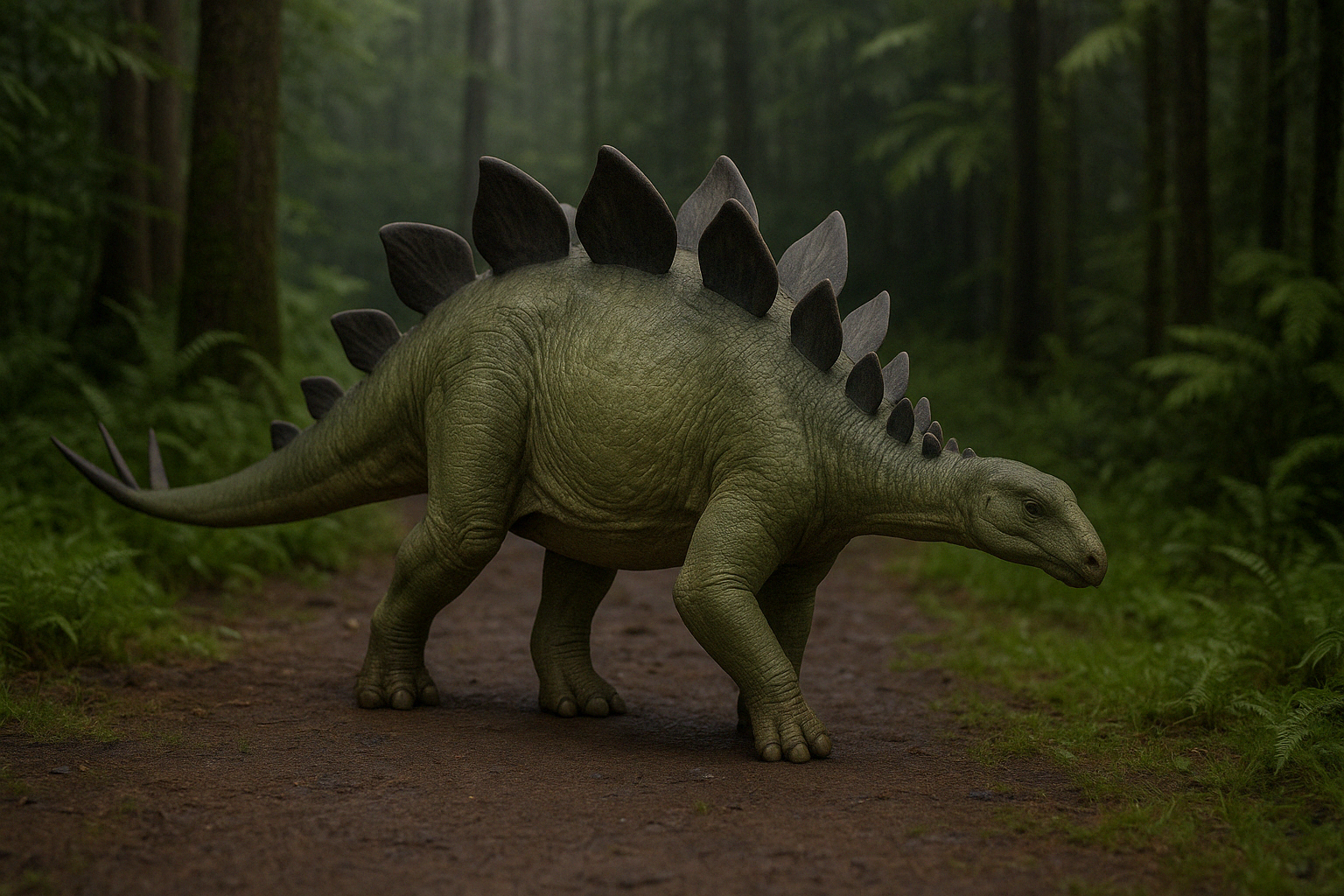
Wuerhosaurus is the #13 seed in the Thyreophorans division of the Dinosaur Tournament.
Wuerhosaurus was one of the last known stegosaurs to walk the Earth. While most of its relatives lived during the Jurassic period, Wuerhosaurus survived into the Early Cretaceous, making it one of the final chapters in the story of these plated dinosaurs. With its signature back plates and spiked tail, Wuerhosaurus carried on the legacy of Stegosaurus into a new era, adapting to a changing world full of new plants and rising dinosaur groups.
When and Where It Lived
Wuerhosaurus lived during the Early Cretaceous period, approximately 135 to 130 million years ago. Its fossils have been found in China, particularly in the Tugulu Group of the Xinjiang region. This makes it one of the few stegosaurs known from the Cretaceous and one of the best-known members of the group from Asia.
During the Early Cretaceous, this part of what is now northwestern China was likely a mix of floodplains, river valleys, and woodlands. The climate was warm, and the environment was rich in plant life, including ferns, cycads, and some of the earliest flowering plants. Wuerhosaurus shared its world with a wide variety of other dinosaurs, including early ceratopsians, sauropods, and theropods.
Size and Physical Characteristics
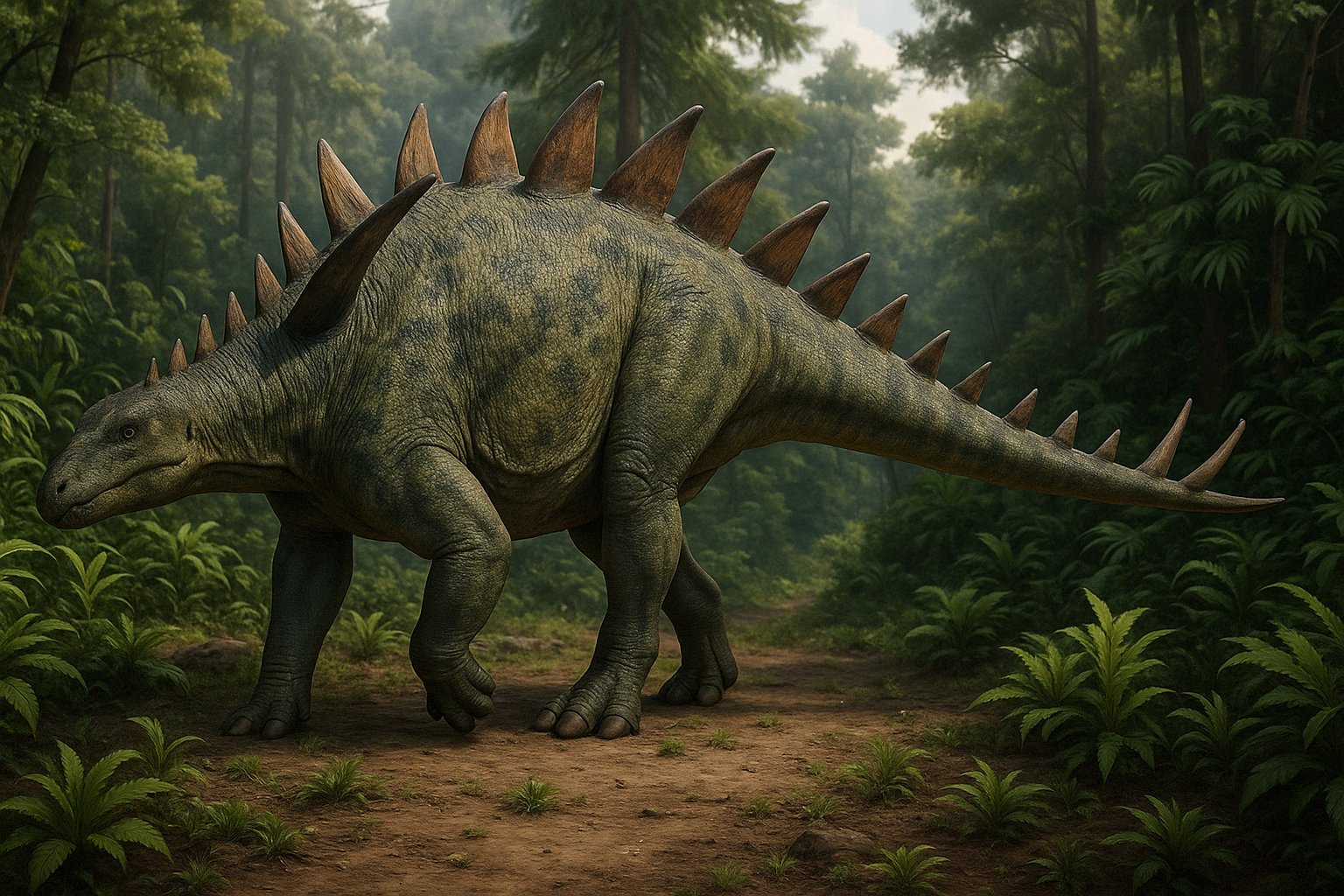
Wuerhosaurus was a medium-sized stegosaur. It measured around 20 to 25 feet (6 to 7.5 meters) in length and weighed an estimated 3 to 4 tons. Like other stegosaurs, it had a small head, a bulky body, and a distinctive arrangement of plates and spikes along its back and tail.
One of the most noticeable features of Wuerhosaurus was its relatively low build. It had short legs—especially the hind legs—which gave it a squat appearance compared to some of its Jurassic relatives. It also had a broad pelvis and a low center of gravity, which may have helped it move through dense vegetation or stay stable on rough terrain.
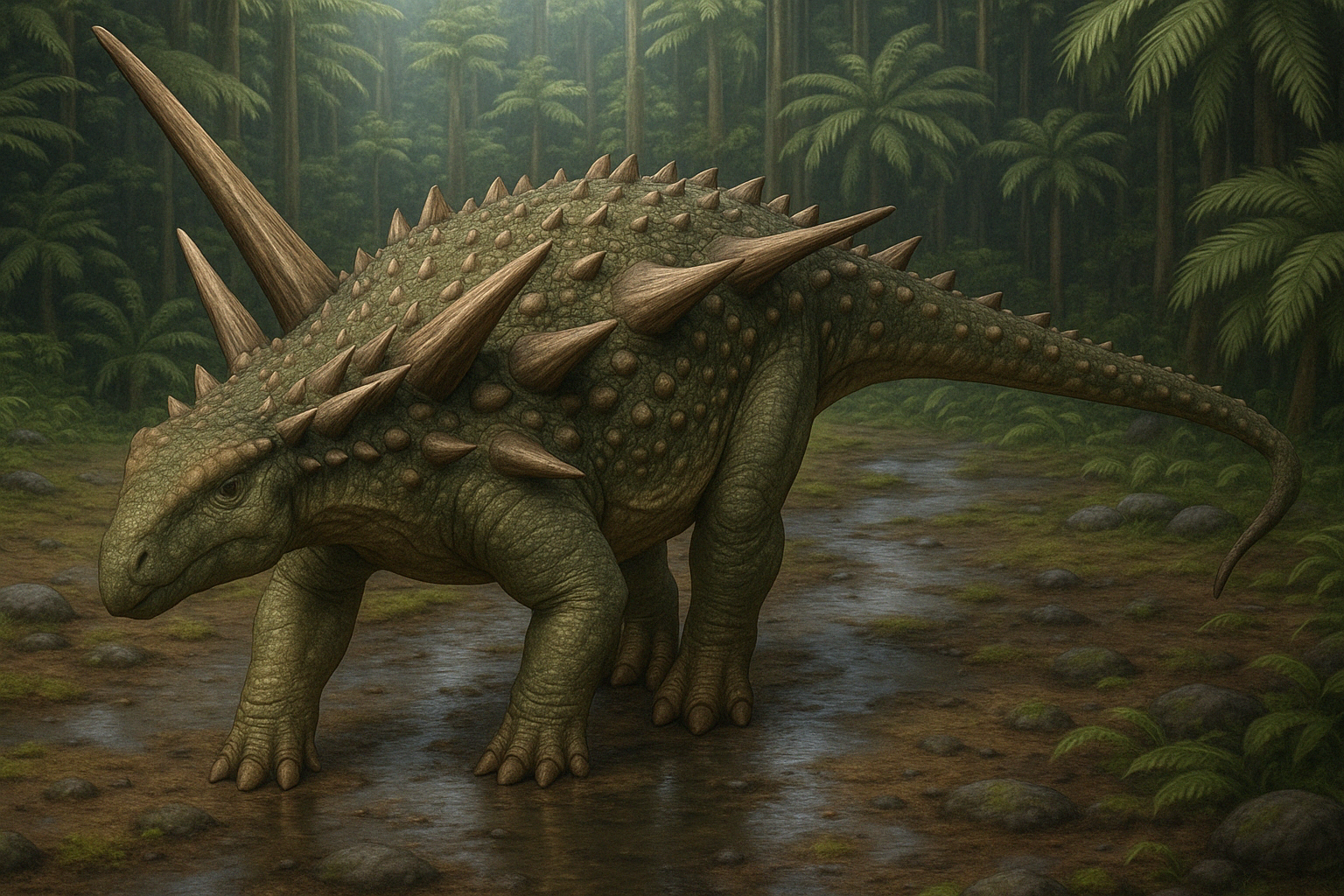
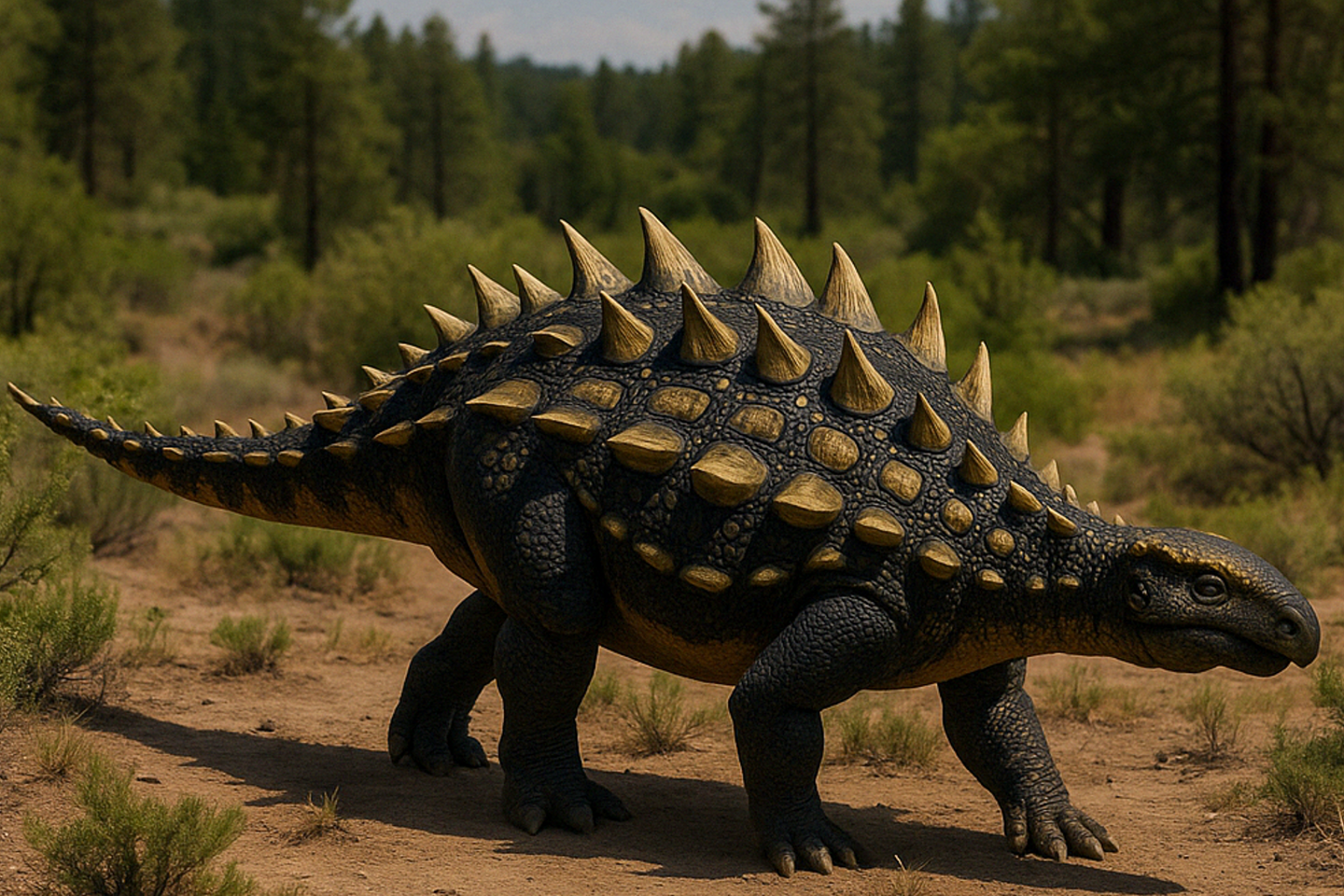
The plates on Wuerhosaurus’s back were smaller and more rounded than those of Stegosaurus, and they were spaced further apart. These plates may have been used for display, species recognition, or thermoregulation. Like other stegosaurs, Wuerhosaurus had a tail equipped with long spikes—a structure known as a thagomizer—which could have been used to defend itself against predators.
Diet and Feeding Behavior
Wuerhosaurus was a herbivore, feeding on low-growing vegetation. With its small head and short neck, it likely browsed close to the ground, eating ferns, cycads, horsetails, and other soft plants. It had a beak for cropping vegetation and small, leaf-shaped teeth that were not well-suited for chewing.
Instead, Wuerhosaurus probably relied on a large gut to break down tough plant material through fermentation. It may have also swallowed stones, called gastroliths, to help grind food in its stomach. Like many other large herbivores, it would have spent much of its day slowly moving through its habitat in search of food.
Discovery and Fossil Record
Wuerhosaurus was first discovered in the 1970s by Chinese paleontologist Dong Zhiming, who named the type species Wuerhosaurus homheni in 1973. The name comes from Wuerho, the area near the discovery site, and honors Hom Hsen, a geologist who worked in the region.
The original fossils included vertebrae, limb bones, and several of the iconic plates and tail spikes. While the remains were fragmentary, they were distinctive enough to confirm that Wuerhosaurus was a stegosaur and that it belonged to the Early Cretaceous—an important discovery at the time, since most stegosaurs were thought to have gone extinct by the end of the Jurassic.
Later fossil finds have helped fill in more details of Wuerhosaurus’s anatomy, though a complete skeleton has not yet been discovered.
Scientific Importance
Wuerhosaurus is especially important to paleontologists because it represents one of the last surviving members of the stegosaur family. Most stegosaurs disappeared by the end of the Jurassic, but Wuerhosaurus shows that at least some continued to live and adapt into the Early Cretaceous.
Its fossils help scientists understand how stegosaurs evolved over time and how they may have responded to changing ecosystems, climates, and the rise of new herbivorous dinosaur groups. Wuerhosaurus also provides a valuable look at the diversity of Asian dinosaurs during the Early Cretaceous.
Wuerhosaurus in Popular Culture
While Wuerhosaurus doesn’t get as much attention as Stegosaurus, it’s often included in books and educational materials focused on the broader family of stegosaurs. Its unique timing—surviving into the Cretaceous—makes it an interesting subject for those curious about dinosaur extinction and survival.
It occasionally appears in museum displays, especially in exhibits focused on Asian dinosaurs or the transition between the Jurassic and Cretaceous periods.
Final Thoughts
Wuerhosaurus may not have had the fame of its Jurassic relatives, but it holds a special place in dinosaur history. As one of the last stegosaurs, it carried its armor and tail spikes into a changing world and stood its ground among evolving plant life and emerging dinosaur species. Its fossils continue to offer valuable insights into the resilience and diversity of armored dinosaurs—and remind us that even in the final chapters of a group’s story, there’s still plenty to learn.